
French Philosophers Who Helped Shape America
The United States is celebrating its 250th anniversary, making this a fitting moment to reflect on the ideas and thinkers that helped shape the nation. Among them, five French philosophers stand out as both foundational and enduring.
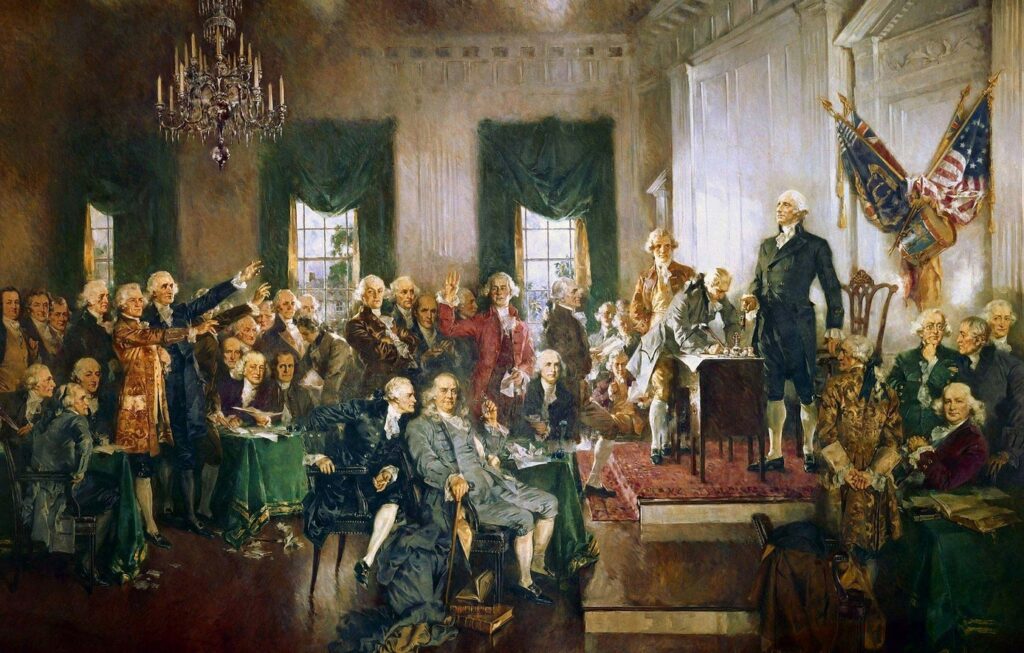
My introduction to political philosophy didn’t happen in Paris or in some grand European library. It happened in classrooms at Loyola University of Chicago, a Jesuit university steeped in a classical liberal education, where philosophy, foreign language, and history were required courses.
We were encouraged to read deeply, think critically, and understand how ideas shape civilizations. At the time, I didn’t realize how profoundly those courses would connect to my later love of France and to my fascination with the shared intellectual roots of France and America.
Those studies came alive during my very first trip to Paris. I traveled with a group of University of Chicago philosophy students attending a conference at the Sorbonne, where scholars from different countries debated how Enlightenment ideas continued to influence modern political thought and international relations. Those conversations made it clear that the concepts we had studied in textbooks were, in fact, living ideas—ones that continue to shape how nations understand liberty, government, diplomacy, and the relationship between citizens and the state.
Years later, walking Parisian streets and reflecting on the thinkers I once studied, I’ve come to see how central French philosophy is to the American experiment. Long before there was a Constitution or a Bill of Rights, French Enlightenment thinkers were asking bold questions: What is liberty? Where does power come from? How can governments protect individual rights?
The answers they proposed—combined with a uniquely American interpretation and practical application in a newly forming nation—helped shape the United States’ understanding of freedom, rights, and government.
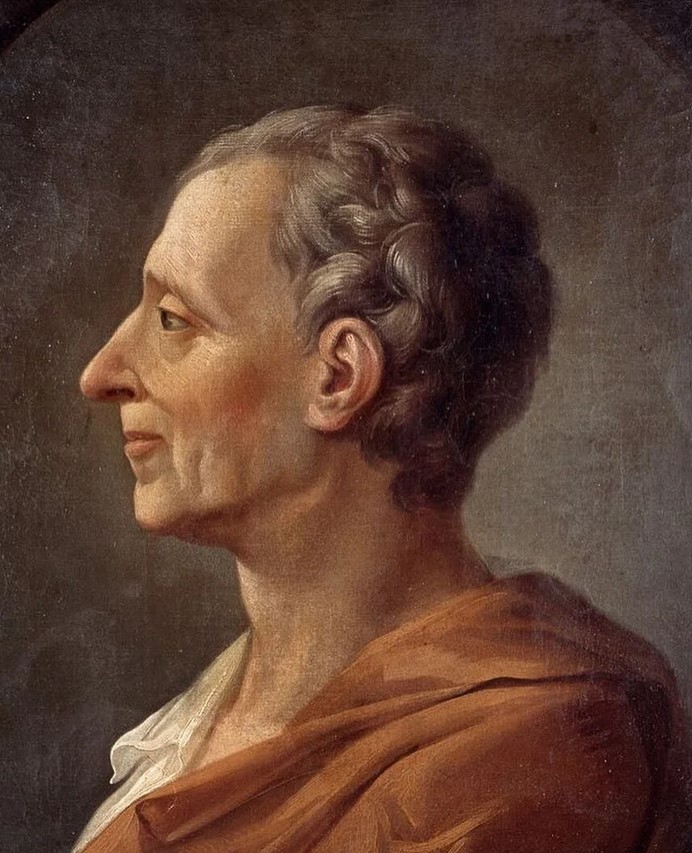
Montesquieu (1689–1755) │ The Architecture of Liberty
Key Ideas: Separation of Powers
Charles-Louis de Secondat, Baron de Montesquieu, had perhaps the most direct influence on the structure of American government. In The Spirit of the Laws (1748), he argued that political liberty depends on dividing power among separate branches:
- Legislative
- Executive
- Judicial
By preventing any one branch from becoming dominant, society could guard against tyranny. James Madison, Alexander Hamilton, and other Founders studied Montesquieu closely. His ideas appear throughout the Federalist Papers and are embedded in the U.S. Constitution.
American Legacy: Montesquieu helped design the framework that governs the United States.
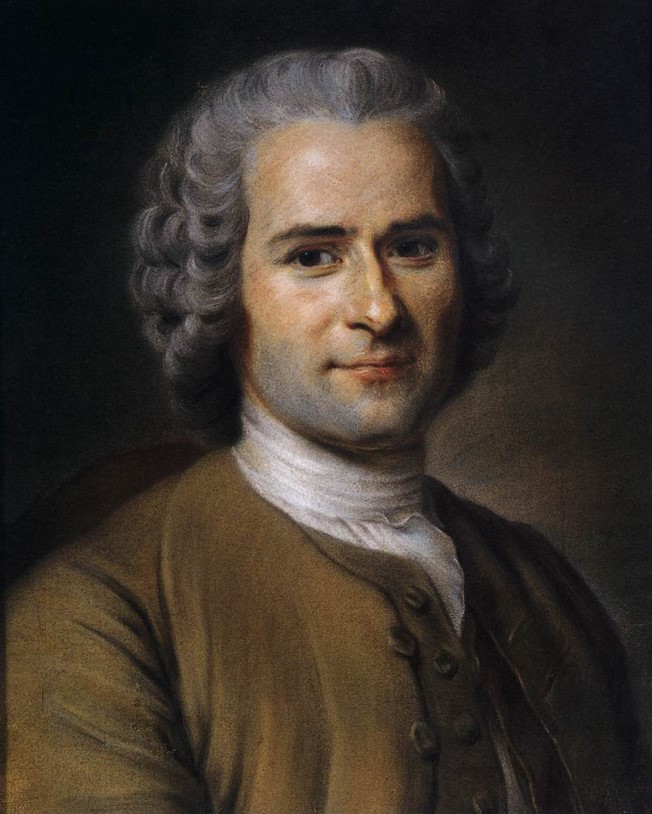
Jean-Jacques Rousseau (1712–1778) │ Government by Consent
Key Ideas: Popular Sovereignty and the Social Contract
In The Social Contract, Rousseau argued that legitimate government rests on the consent of the governed. Authority, he believed, comes from the people themselves, not from kings or inherited privilege. He introduced the concept of the “general will”—the collective interest of society—which should guide political life. American leaders did not embrace all of Rousseau’s more radical ideas, but his emphasis on civic responsibility and popular participation strongly influenced democratic thinking.
American Legacy: Rousseau reinforced the belief that power originates with the people.
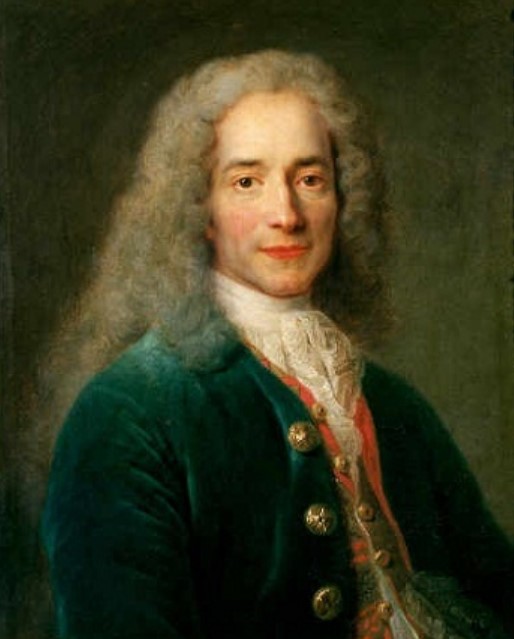
Voltaire (1694–1778) │ The Voice of Tolerance
Key Ideas: Freedom of Speech and Religious Liberty
Voltaire was one of the Enlightenment’s most powerful critics of intolerance, censorship, and authoritarian rule. Through essays, plays, and satire, he defended:
- Freedom of expression
- Religious tolerance
- Civil liberties
He believed that open debate and intellectual freedom were essential to a healthy society. Benjamin Franklin admired Voltaire deeply, and the two famously met in Paris. Their friendship symbolized the shared Enlightenment values of France and America.
American Legacy: Voltaire helped shape American attitudes toward free speech and religious freedom.
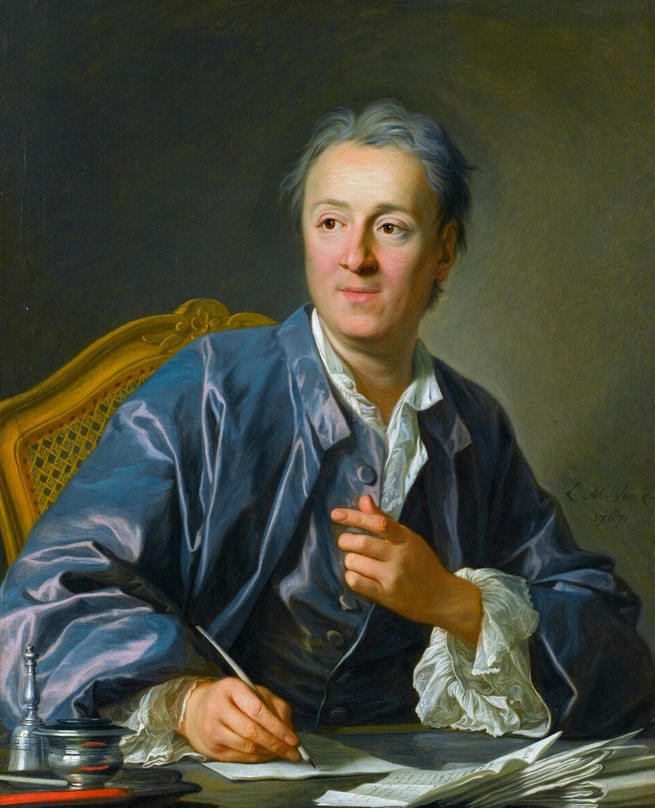
Denis Diderot (1713–1784) │ Knowledge as a Path to Freedom
Key Ideas: Education and the Power of Ideas
As the chief editor of the Encyclopédie, Diderot undertook one of the most ambitious intellectual projects in history. The multi-volume work gathered knowledge from across disciplines—science, philosophy, politics, and the arts—with the goal of making learning widely accessible. Diderot believed that informed citizens were essential to liberty. Ignorance, he argued, made people vulnerable to manipulation and oppression. The Encyclopédie circulated among American intellectuals and reinforced the importance of education in a free society.
American Legacy: Diderot strengthened the link between knowledge, citizenship, and freedom.
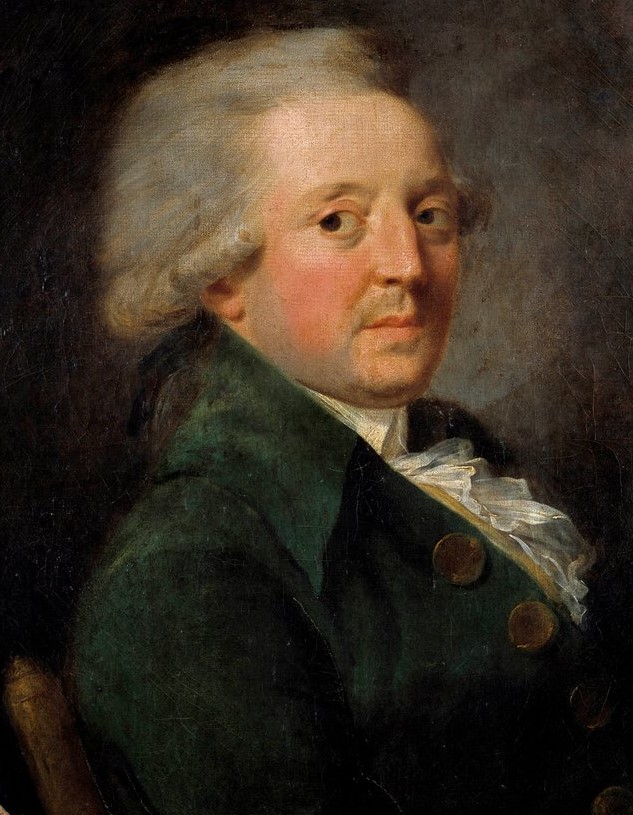
Marquis de Condorcet (1743–1794) │ Progress and Human Rights
Key Ideas: Equality, Education, and Social Progress
Condorcet was both a philosopher and a reformer who believed deeply in humanity’s capacity for moral and intellectual progress. He championed:
- Universal education
- Women’s rights
- Abolition of slavery
- Equal political participation
Condorcet corresponded with Thomas Jefferson and admired the American Revolution as a practical realization of Enlightenment ideals. His belief in education as the foundation of democracy influenced early American reform movements.
American Legacy: Condorcet inspired generations of Americans committed to equality and social improvement.
A Shared Intellectual Heritage
The classrooms at Loyola, where we debated Plato, Locke, and Rousseau, were part of a tradition that stretches back to Enlightenment Paris. The same texts that shaped my thinking also helped shape the intellectual world of America’s founders.
Looking back on my education and my experiences in France, I am deeply grateful for the liberal arts education I received at Loyola, for the opportunities to travel and explore Paris and beyond, and for the mentorship that has shaped my understanding of history and ideas. I am struck by how alive these intellectual currents still feel.
Liberty, in the American sense, was never created in isolation. It emerged from centuries of European thought, refined and challenged by French Enlightenment thinkers who believed that reason, education, and moral responsibility were essential to human dignity.
Their legacy reminds us that freedom is not only protected by laws and institutions, but also sustained by ideas—studied, questioned, and carried forward from one generation to the next.
Which of these thinkers has influenced your understanding of liberty most? I would love to hear your thoughts in the comments.
Travel Tip: Explore Paris Through Enlightenment Eyes
One of the most meaningful ways to deepen an understanding of these thinkers is to experience the city where their ideas took shape. In Paris, intellectual history is not confined to books—it is embedded in streets, institutions, and quiet corners where Enlightenment thought once flourished.
A few places worth exploring:
- Le Panthéon — The final resting place of Voltaire and Rousseau, a powerful reminder of how deeply their ideas shaped French and American political thought.
- Saint-Germain-des-Prés — The historic Left Bank neighborhood where Diderot and his contemporaries once gathered in cafés and salons that fueled intellectual debate.
- Bibliothèque nationale de France — Home to original manuscripts and exhibitions that trace the evolution of Enlightenment philosophy and its lasting influence.
Walking through these spaces offers a different kind of education—one where ideas are not only studied, but experienced in the fabric of the city itself.

Join the email list and get instant access to My Essential Packing Guide!
It's a curated list of the tried-and-true items I always pack for stress-free, stylish trips, and it’s ready to help you pack for your next adventure!


I began my blog in 2008 as a fun and creative outlet to share musings about my time in Paris, the things I love, making the most of your travels, and how to bring everyday France into your everyday life—no matter where you live.
Join The Email List
Sign up to receive blog posts delivered straight to your inbox