
96 Hours in Biarritz
One of my closest girlfriends moved from Paris to Biarritz. When she invited me to come visit for a few days, it felt like the perfect opportunity to catch up with a longtime friend and experience the city through the lens of a local.
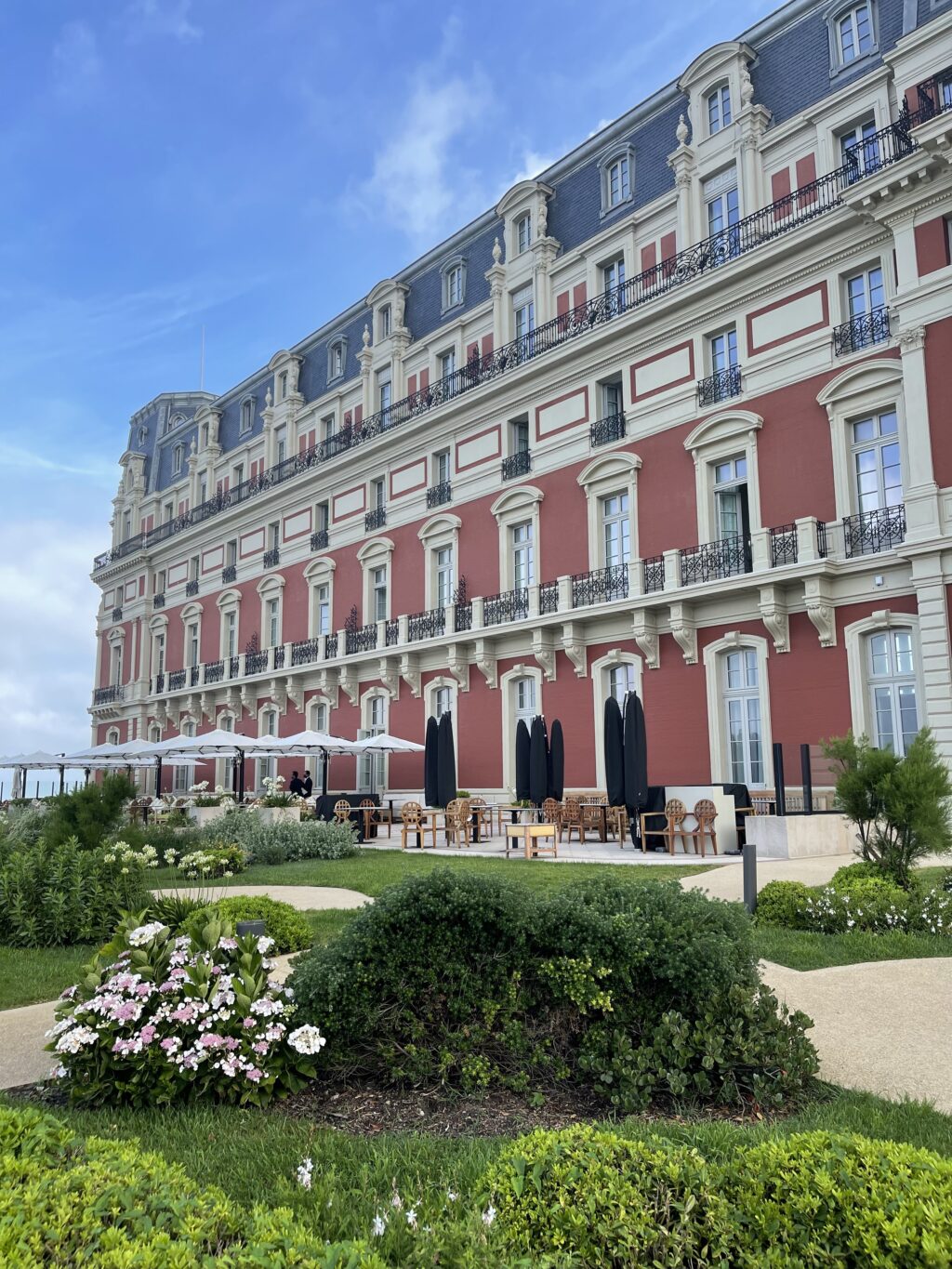
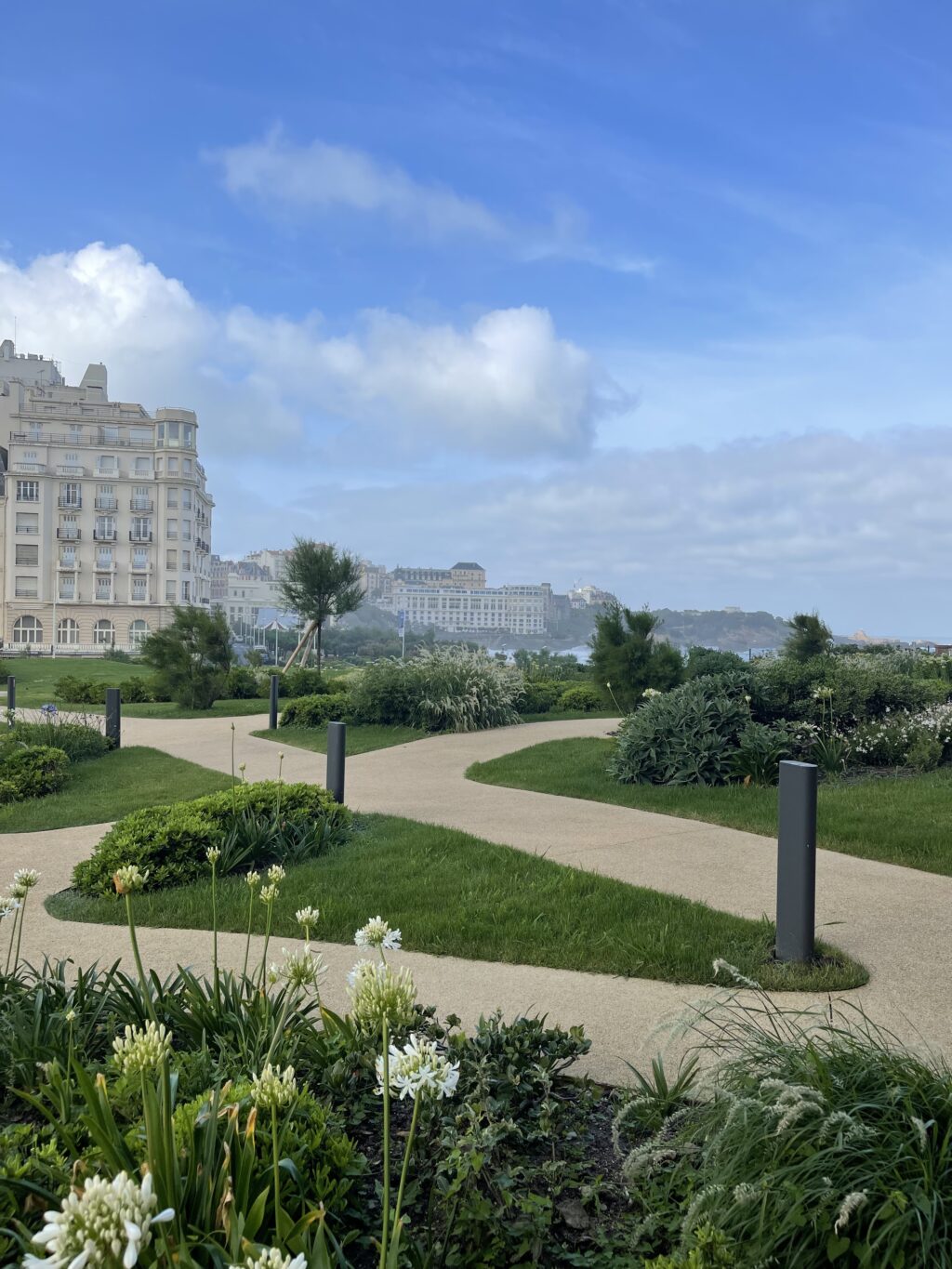
Located on the Bay of Biscay in the French Basque Country, just eleven miles from the Spanish border, Biarritz has long been one of the most beloved seaside destinations in southwestern France. Lately, it feels as if the city is being rediscovered all over again — and it is easy to understand why. Biarritz feels both elegant and effortlessly relaxed at the same time. Grand Belle Époque hotels overlook the Atlantic while surfers wander barefoot through the streets, giving the city a balance that feels polished without ever becoming overly formal.
What makes Biarritz especially distinctive is its strong Basque identity, which sets it apart from the more glamorous atmosphere of the Côte d’Azur. Between the dramatic coastline, exceptional food, nearby villages, and slower rhythm of life, it’s very livable resort town—the kind of place where long lunches naturally turn into sunset apéritifs by the sea. If you haven’t seen my post Five Summer Cocktails Inspired by My Time in Biarritz, be sure to check it out.
In a way, Biarritz reminded me of Monte Carlo many years ago — before the wave of high-rise development began crowding the coastline and changed much of its original charm.
How I got there
I traveled from Paris to Biarritz by train, departing first thing in the morning from Gare Montparnasse. I always book first-class train tickets; the slight increase in fare is well worth the added comfort. It is less about formality and more about space and quietness—room to read, to think, or simply to watch the landscape shift without interruption. On longer routes like this one, roughly five hours, the journey becomes part of the experience rather than simply transit.
I also tend to bring a small lunch with me, usually a sandwich, a snack, and a bottle of water from one of my favorite Paris boulangeries. Not only is it convenient, but not having to walk to the dining car allows me to stay close to my luggage during the journey.
By early afternoon, we rolled into the station, the smell of the Atlantic already in the air as my smiling girlfriend waited for me outside.
Where We Stayed
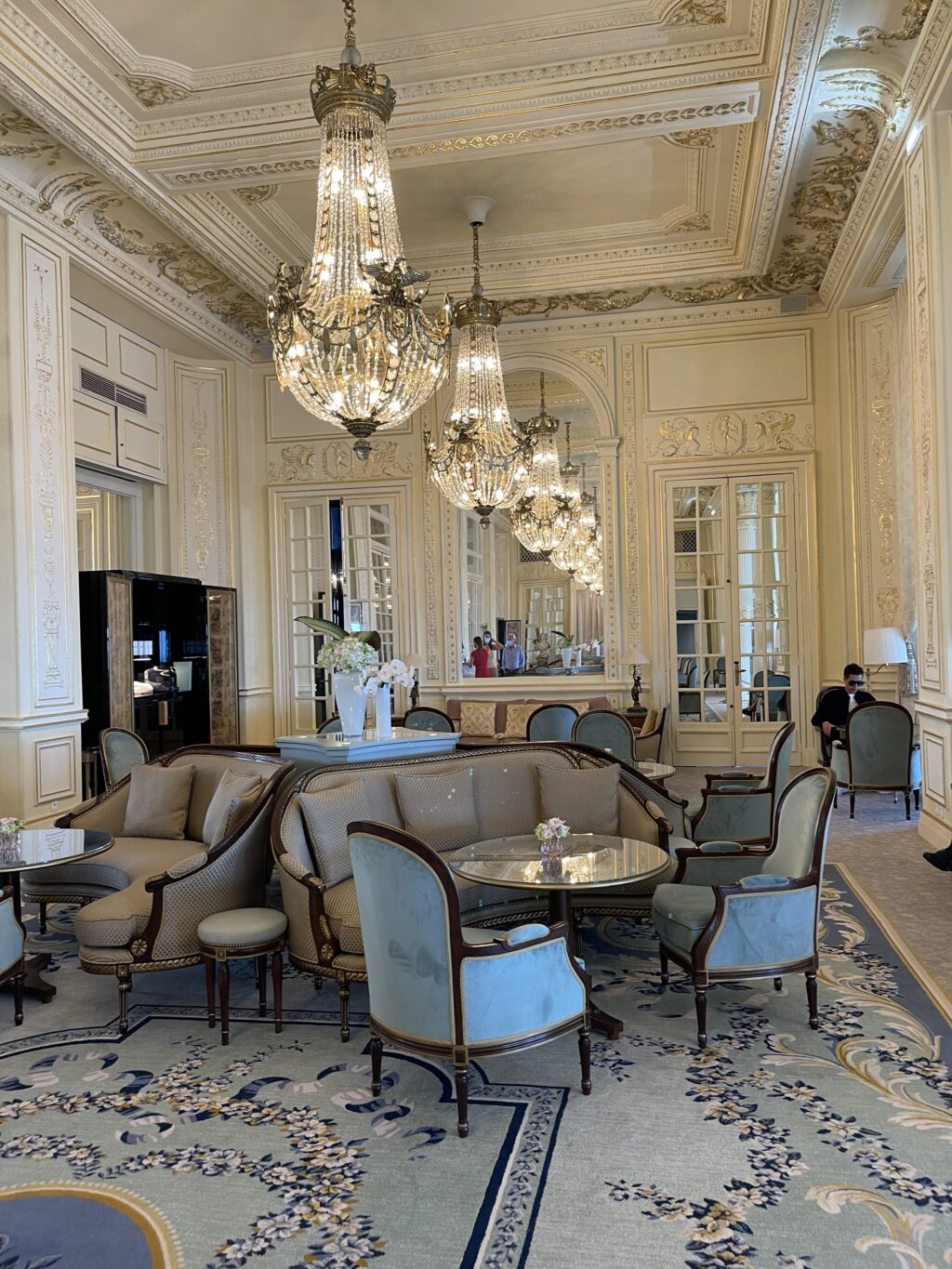
We decided to spend the first two nights at the Hôtel du Palais. It was an easy decision in many ways. First, it allowed us to experience the history and atmosphere of central Biarritz. Second, it meant her husband and son could enjoy a relaxed “guys weekend” at their house while we settled into a quieter girls’ weekend at the hotel.
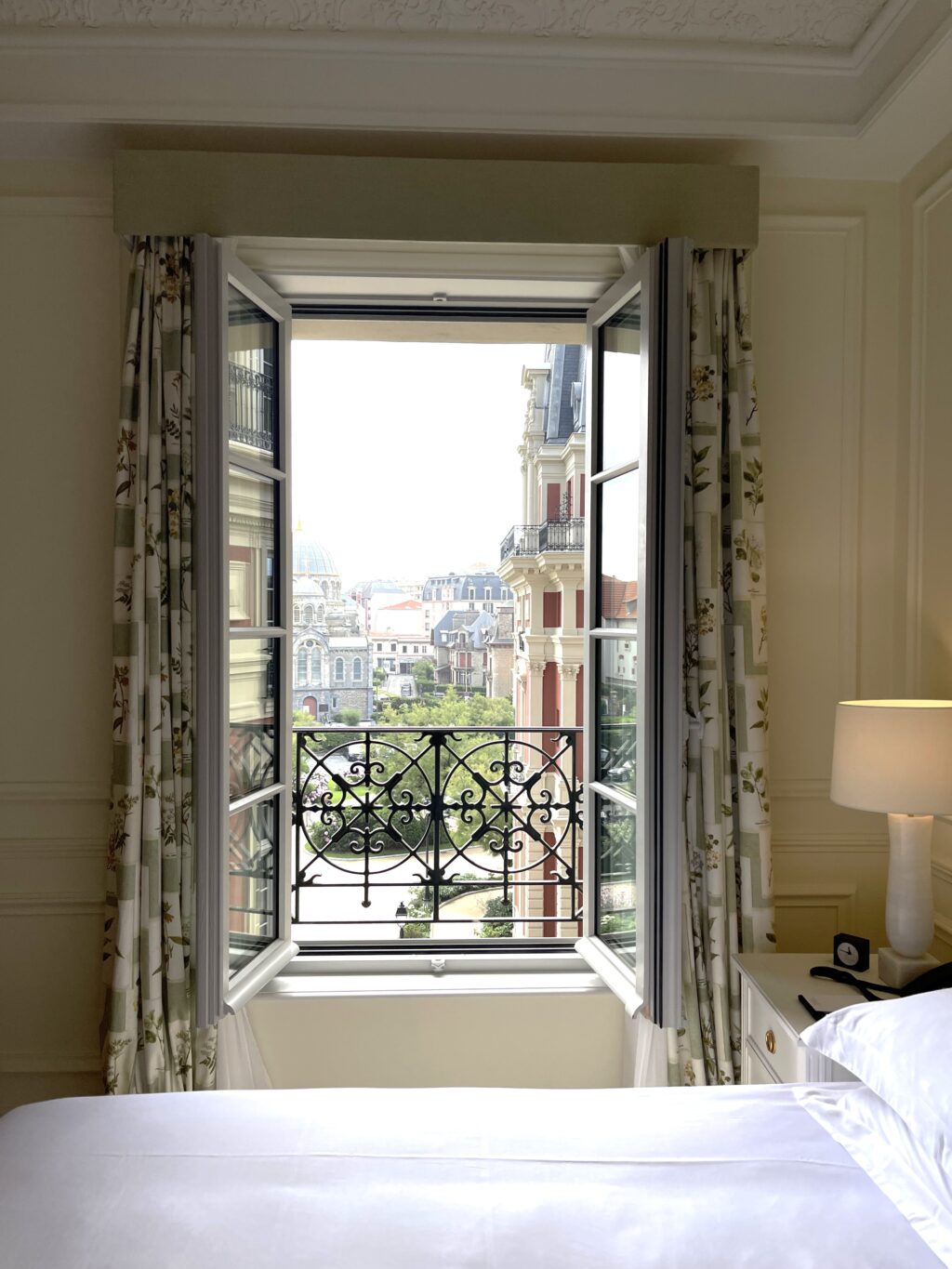
Hotel du Palais | We checked into the Hôtel du Palais for the first two nights of the trip. I booked a deluxe room with a city view, quietly hoping for an upgrade through either my American Express Platinum benefits or Hyatt loyalty status, but to no avail. I did, however, qualify for early check-in, late check-out, breakfast, and several additional amenities typically extended to Amex Platinum cardholders.
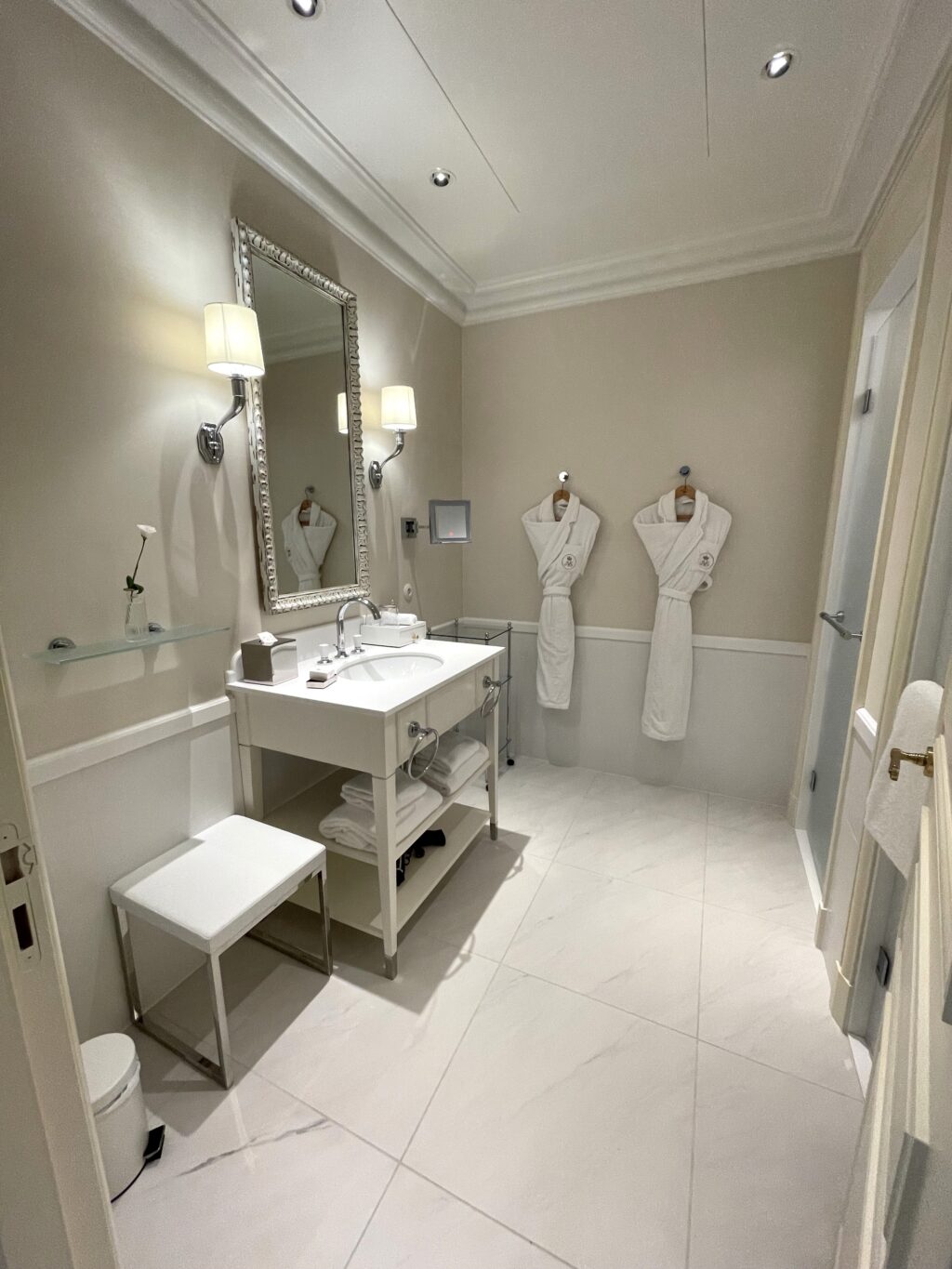
Given the already considerable rates at the hotel, I could not justify paying significantly more for an ocean view knowing how little time we would actually spend in the room itself. Still, the room was surprisingly spacious, with a large marble bathroom outfitted with Guerlain bath products and an expansive walk-in closet beautifully finished with custom cabinetry.
What stayed with me most, though, was the detailing throughout the room — particularly the moulding and trim work. Instead of the smaller boxed panels you so often see, the walls were framed with long, elegant panels that stretched across the length of the room. I ended up using that exact concept as inspiration for my own renovation project back in Chicago.
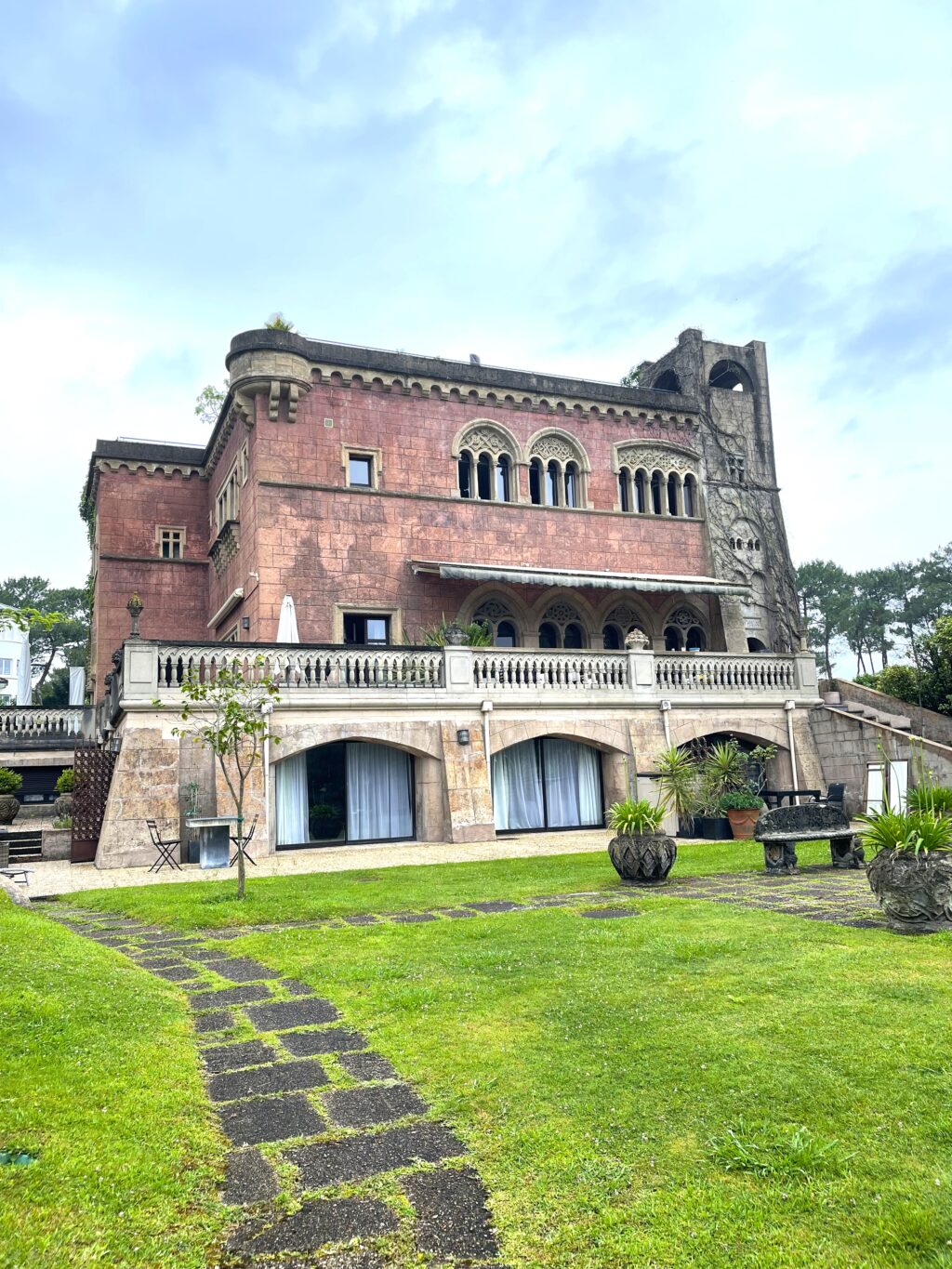
Une Maison Privée | After our stay at the hotel, we moved into my friend’s equally extraordinary home — an Italianate-style residence more than 100 years old, originally built by a business tycoon of the era. She and her husband purchased the home and completed a full renovation over several months, achieving a careful balance between preservation and renewal: historic architectural elements were meticulously retained while modern conveniences were added discreetly so as not to disturb the integrity of the original design.
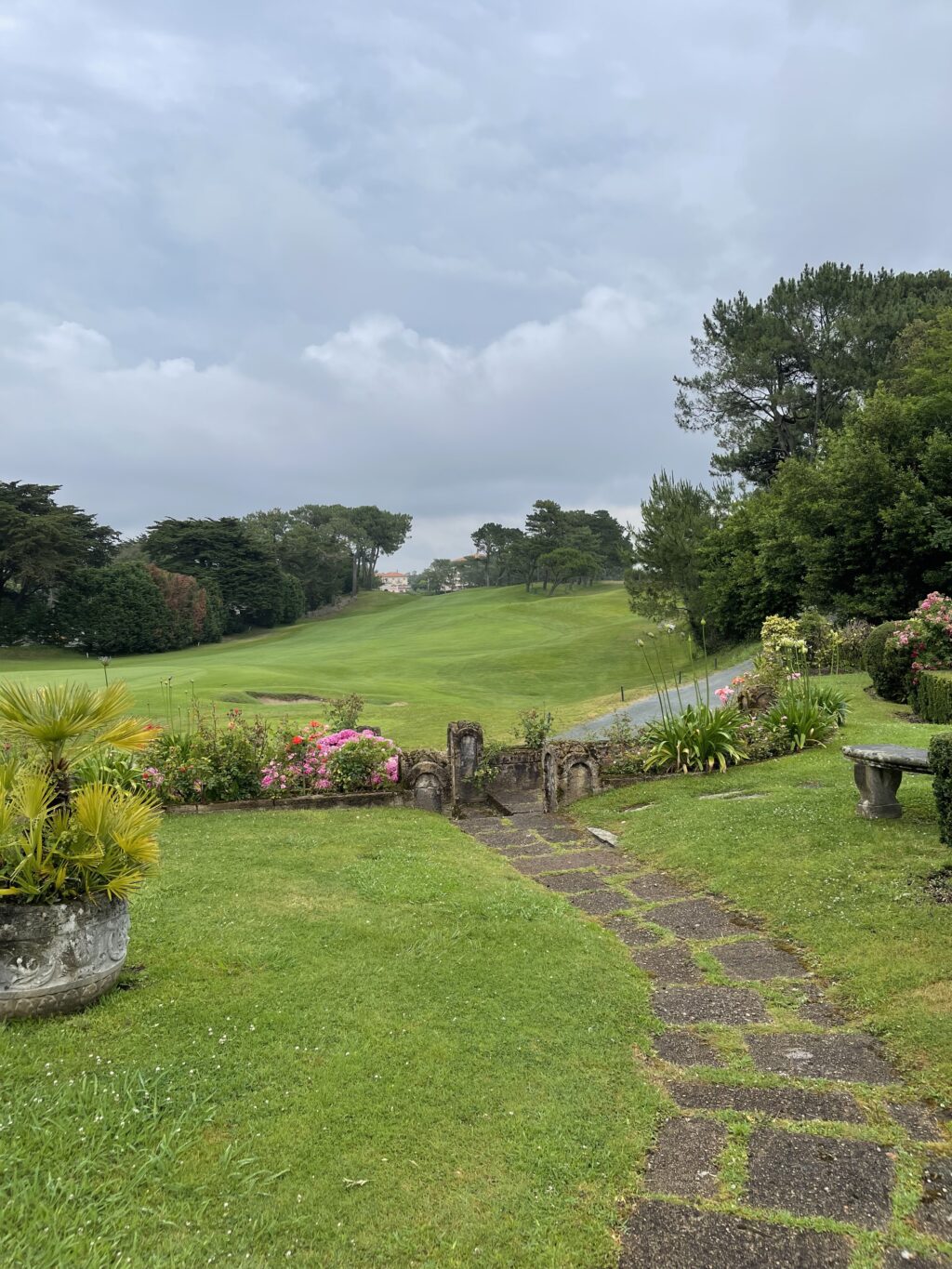
The house sits just steps from the beach and overlooks a golf course, with sweeping views and grounds. Quite honestly, the home, the setting, and the proximity to the water reminded me of Newport, Rhode Island.
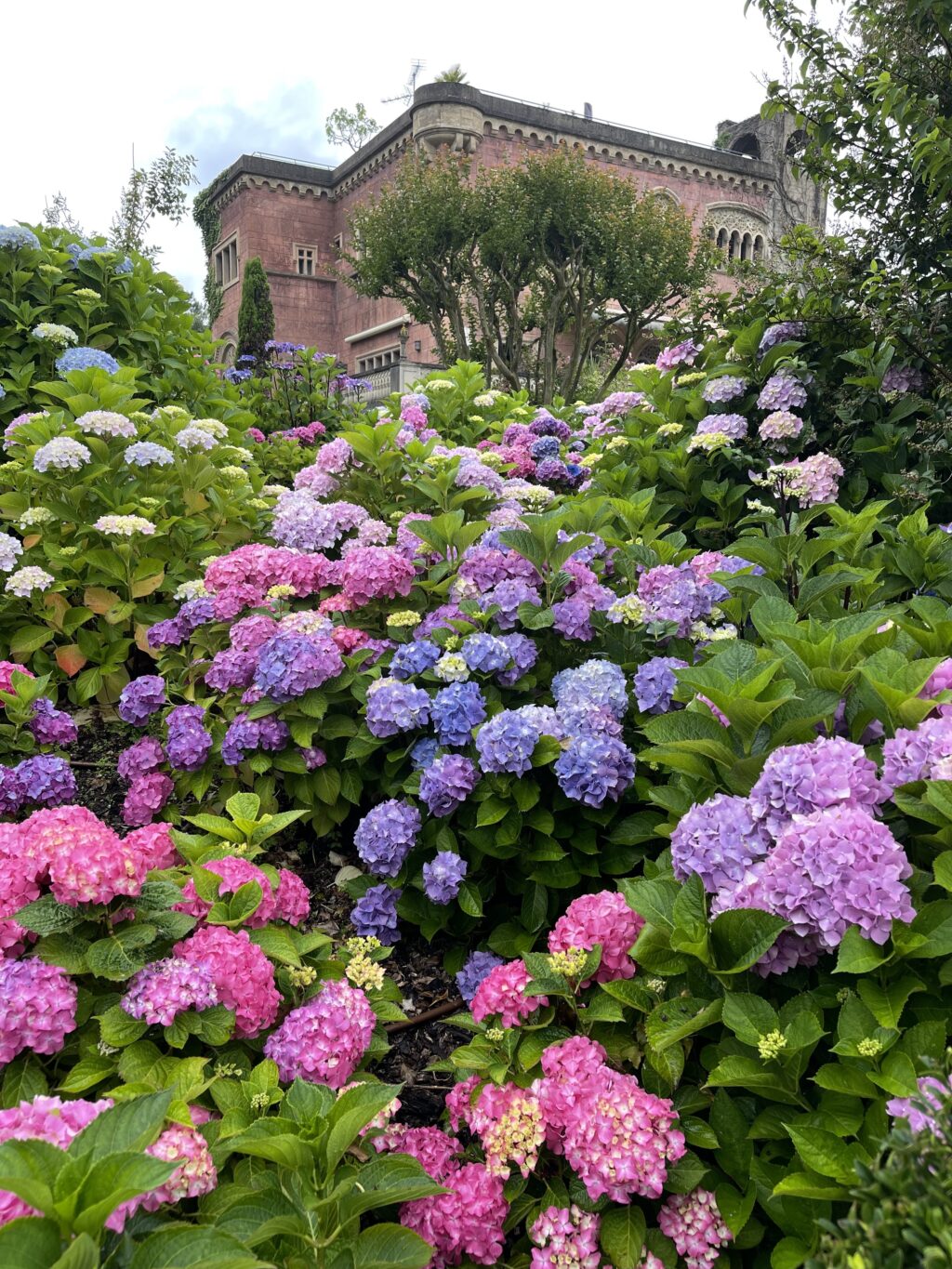
What struck me most were the gardens — hundreds of blue and pink hydrangeas spilling across the property in dense, sculptural clusters. For someone like me, who has always loved hydrangeas, it was truly spectacular. They are everywhere in Biarritz for good reason: the Atlantic climate provides consistent humidity and rainfall, while the naturally acidic soil enhances the vivid blues and soft pinks that define the region’s landscape, giving the entire coastline its lush, almost painterly quality.
Where we ate
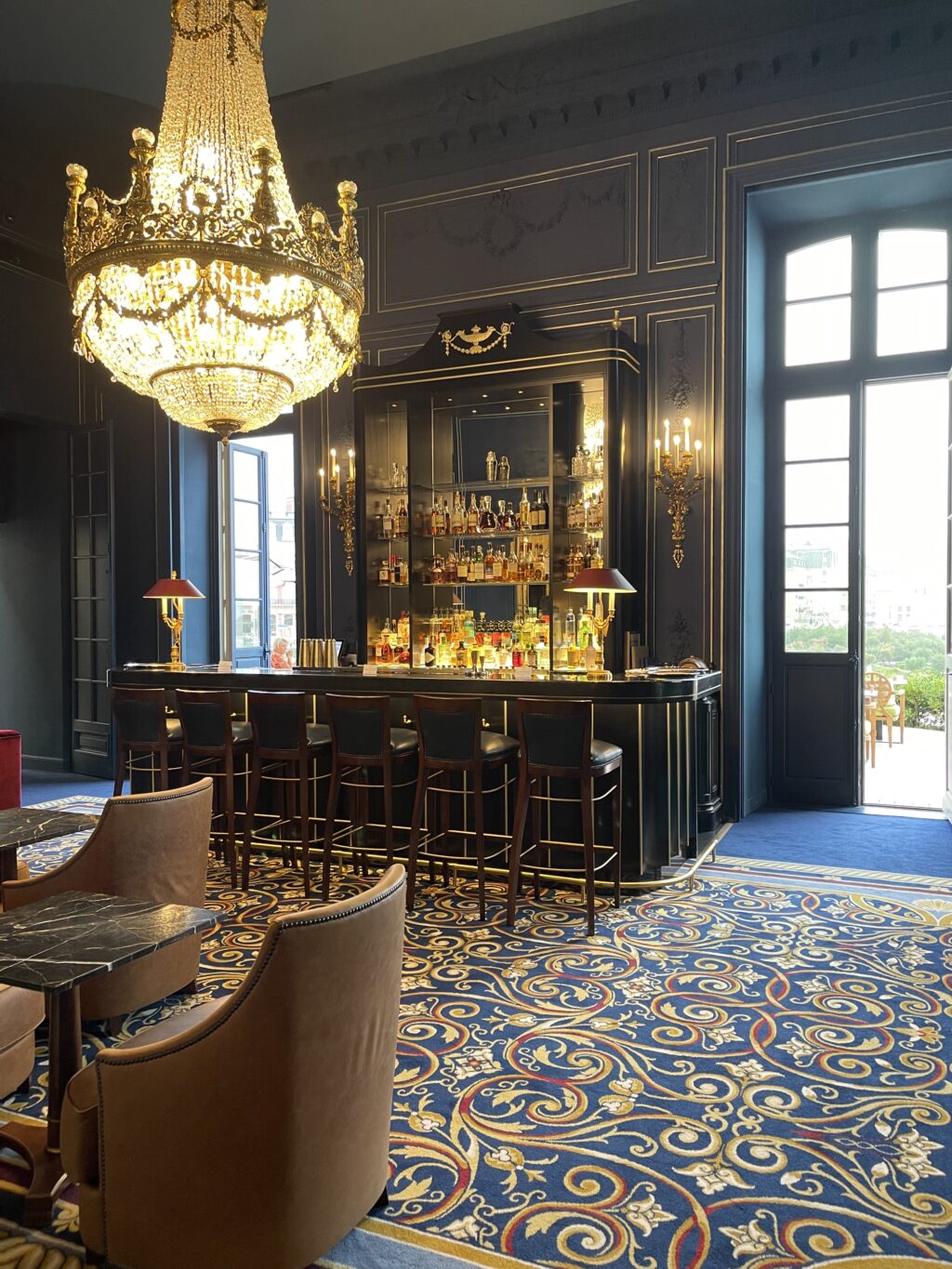
At the Hotel | We made the most of the dining amenities at the hotel. Upon arrival, we had lunch at La Terrasse brasserie and later enjoyed light bites poolside throughout the afternoon, followed by cocktails and appetizers at Bar Napoléon III in the evening. Given how indulgent the day had already been, we happily skipped a formal dinner altogether.
Bar Jean | We arrived just as the dining room was filling with locals and visitors alike, creating the lively energy for which Bar Jean is famous. The menu features regional specialties, such as chipirons à la plancha — tender local baby squid simply grilled with garlic and parsley — and axoa de veau, a traditional Basque stew of finely chopped veal gently simmered with sweet peppers and Espelette pepper, the region’s signature spice. Unpretentious and deeply rooted in local traditions, Bar Jean offered exactly the kind of authentic experience that makes slow travel so rewarding.
At the House | Settling into the house felt like slipping into an entirely different rhythm of Biarritz life. Mornings began quietly with coffee and a traditional continental breakfast. Dinners centered around grilled steak and fresh seafood on the terrace — the quality of the ingredients, the salt in the air, and the relaxed pace of being at home made each meal feel unhurried and deeply satisfying.
Where we explored
Much of our time in Biarritz was spent simply wandering — walking through the historic old town and driving slowly along the dramatic coastline, where nearly every turn seemed to open onto another sweeping Atlantic view. We spent afternoons along the Grand Plage watching surfers ride the waves below the promenade before continuing toward the quieter beauty of the Côte des Basques, where the coastline feels a little wilder and unmistakably tied to the town’s surf culture.
We also stopped at the iconic Rocher de la Vierge, one of Biarritz’s most recognizable landmarks, where the rocky outcrop and crashing waves create some of the most striking views in town. Nearby, the coastal roads felt made for lingering drives — elegant villas perched above the sea, pockets of hydrangeas spilling over stone walls, and glimpses of the Spanish coast in the distance on clear days.
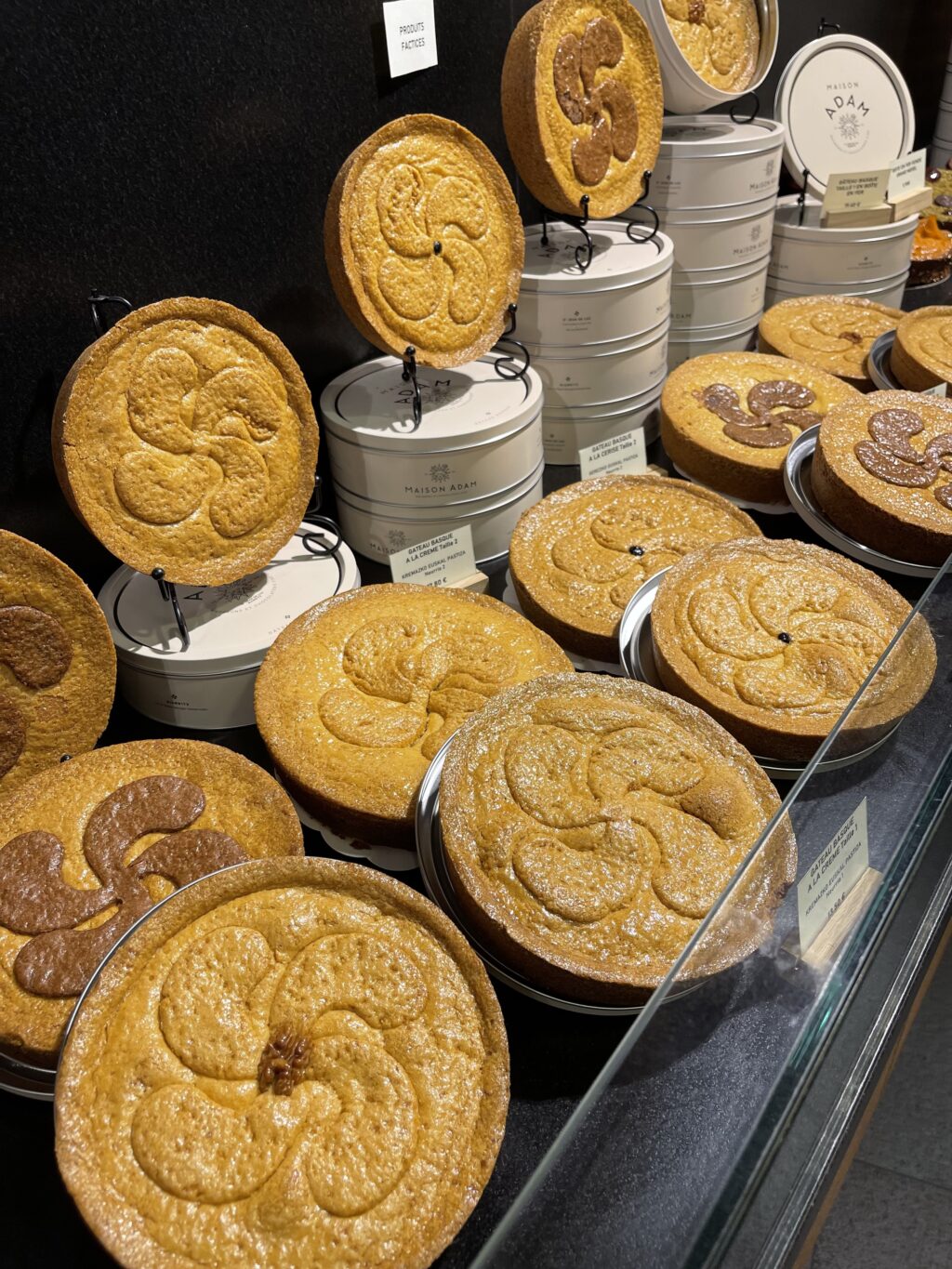
No visit to Biarritz would be complete without a stop at Maison Adam, the historic Basque pastry house founded in 1660 and renowned for its famous macarons. Still made according to the original recipe created for the wedding of Louis XIV, the delicate almond cookies remain one of the region’s most beloved treats. I purchased several of the house’s beautiful tins of macarons — one for my gracious host, one for a dear friend in Provence whom I would be visiting the following week, and one for myself.
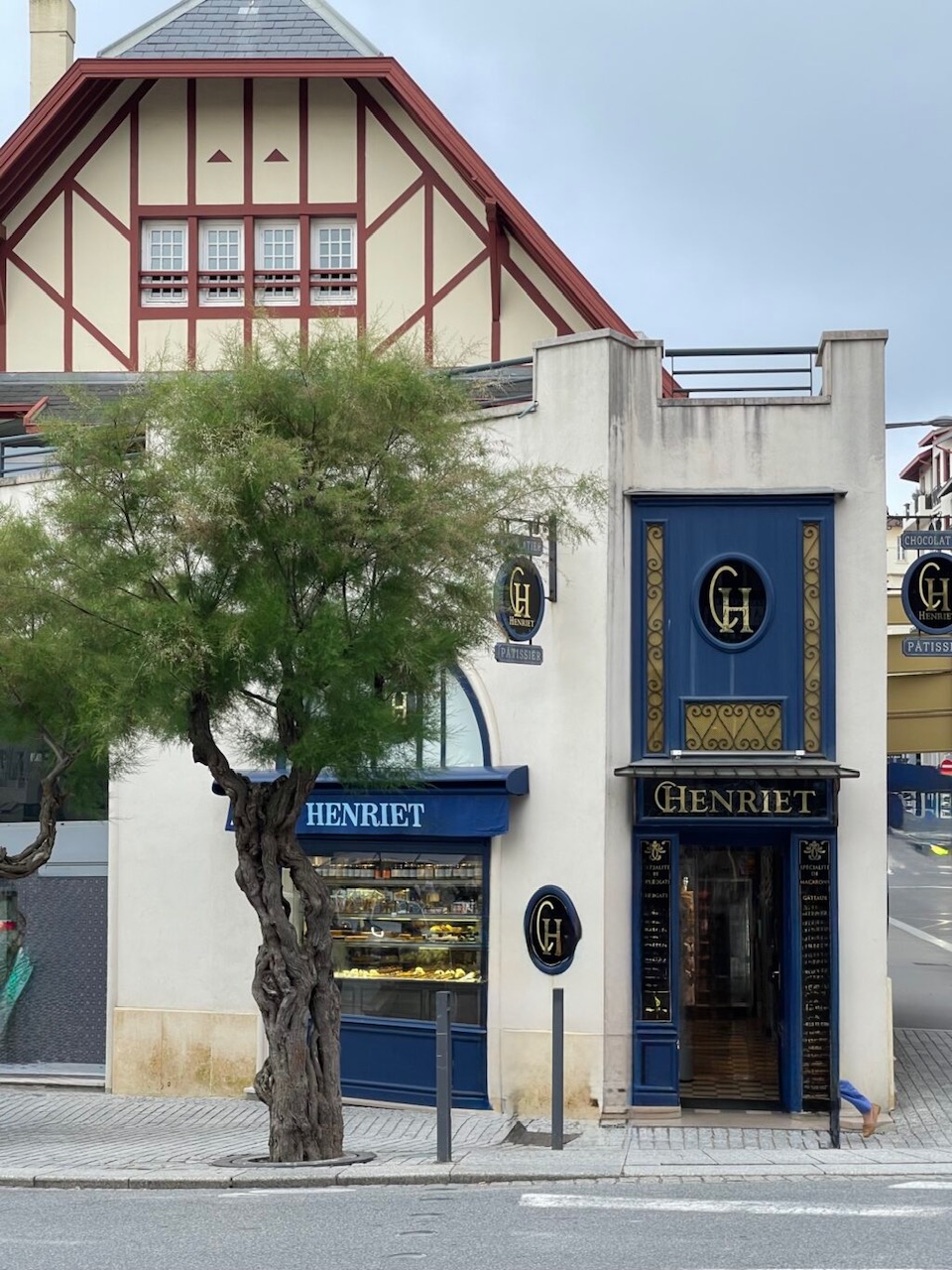
Then, we visited Henriet, one of the town’s oldest chocolate shops, where handmade chocolates and an old-world atmosphere evoke another era. Unable to resist, I selected a small bag of assorted chocolates to enjoy during the rest of our stay. Like so much of Biarritz, both places felt timeless rather than staged — deeply rooted in tradition, yet still very much part of everyday life.
Along the way, we ducked into a few thoughtfully curated interior design boutiques, each reflecting that effortless Biarritz aesthetic: coastal, relaxed, and quietly sophisticated. I love interior design shops, and my girlfriend was putting the finishing touches on home. So, we popped into Ananbô. While she finalized her order, I browsed the beautiful collection of murals. It was fun and productive for both of us.
A coastal city unlike anywhere else in France
Biarritz is the kind of place that doesn’t quite compare to anywhere else in France. It doesn’t feel like Paris, or the Côte d’Azur, or the villages of Provence — it has its own rhythm entirely, shaped by the Atlantic and a distinctly Basque identity that gives it a different kind of elegance.
What stays with you is the contrast: grand Belle Époque architecture set against a raw, surf-driven coastline, where refinement and ease coexist without effort. It feels both elevated and unstudied at the same time, which is surprisingly rare.
It is well worth experiencing — especially for those who think they already know what France looks like.

Join the email list and get instant access to My Essential Packing Guide!
It's a curated list of the tried-and-true items I always pack for stress-free, stylish trips, and it’s ready to help you pack for your next adventure!
2 Comments
Leave a Comment
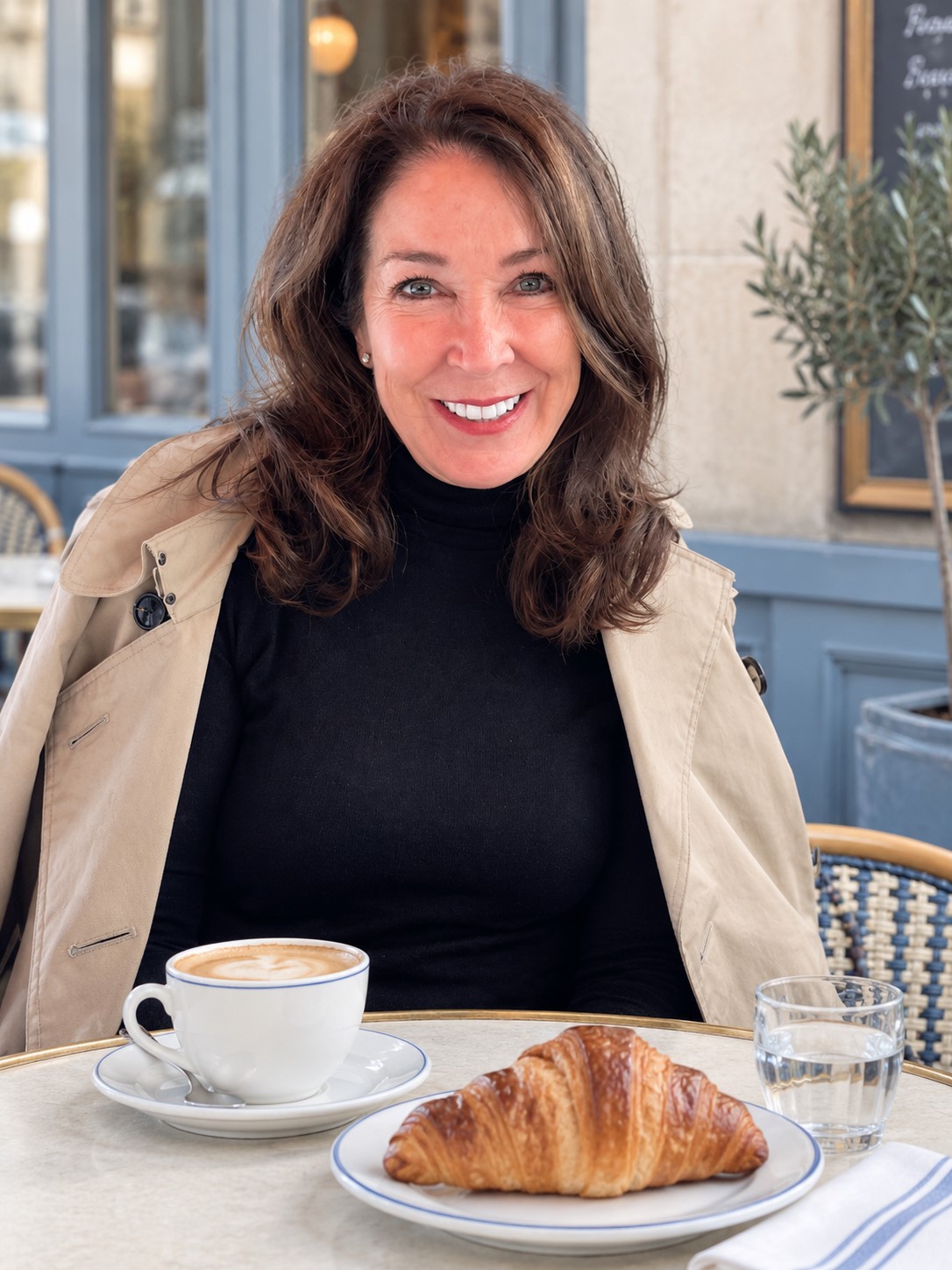

I began my blog in 2008 as a fun and creative outlet to share musings about my time in Paris, the things I love, making the most of your travels, and how to bring everyday France into your everyday life—no matter where you live.
Join The Email List
Sign up to receive blog posts delivered straight to your inbox

Love everything you write
Such a time saver
Nothing worse than feeling you wasted your matinée or evening on the wrong restaurant or event
Thank you
Thank you – your sweet comments mean so much to me.