
How to Bring Cheese Home from France
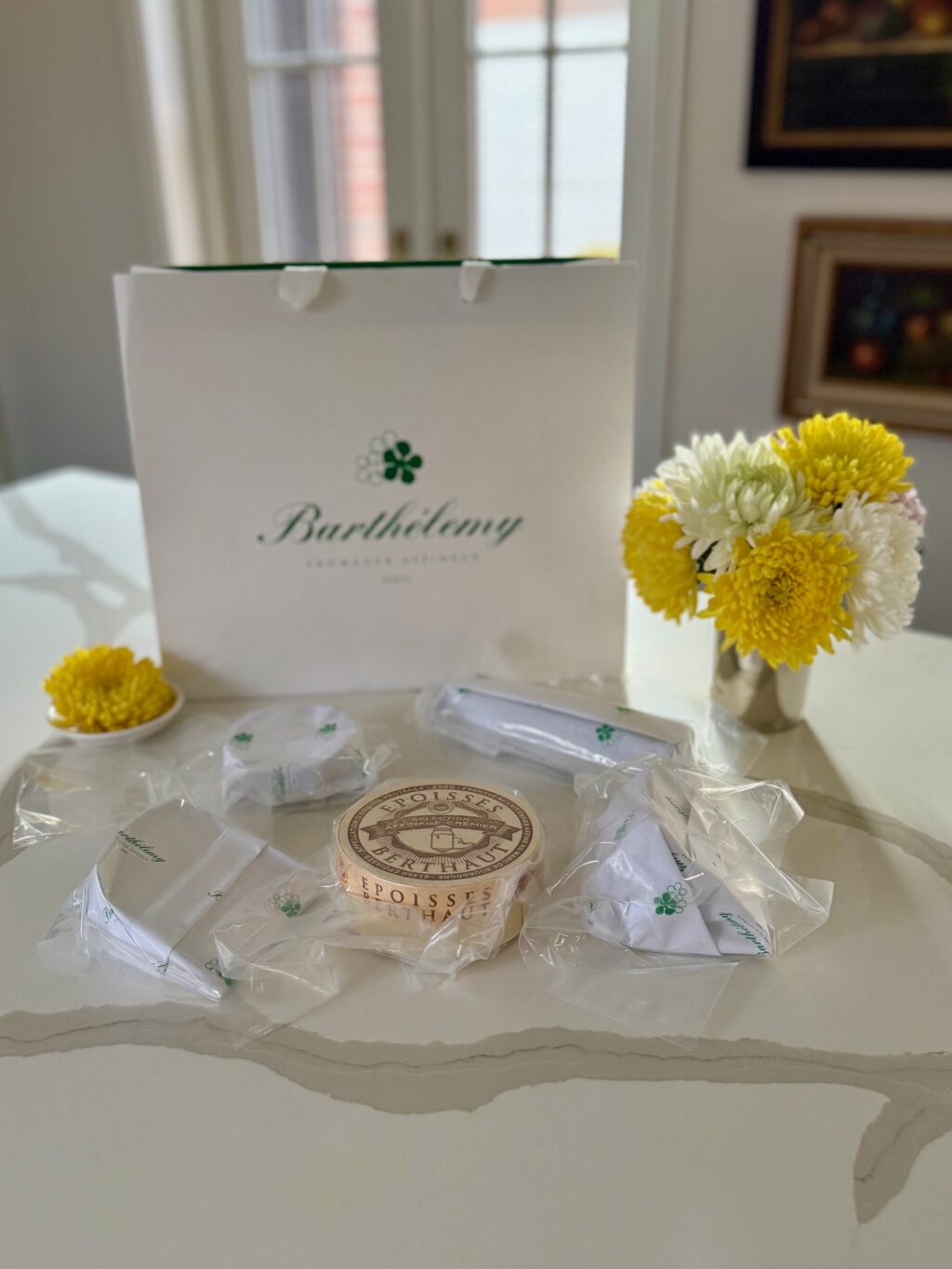
For as long as I can remember, bringing cheese home from France has been a cherished ritual of my travels. Somewhere between my final visit to the market and prepping my suitcase for the return voyage, I carefully select a few wedges of my favorite flavors to take across the Atlantic. Over the years, I’ve carried everything from nutty Comté to perfectly ripe Reblochon—each one chosen with intention, each one a small extension of my time in France.

Despite what you might expect, I’ve never had an issue.
Not at customs, not in transit, not even with the occasional boldly aromatic selection. With a bit of knowledge, a few simple precautions, and the kindness of a good fromager who is willing to vacuum seal, the process has always been smooth. In fact, it has become something I look forward to and a final, delicious ritual.
So if you’ve ever hesitated at the cheese counter, wondering whether it’s worth the trouble to bring a taste of France home, let me assure you that it is and it’s far easier than you might think. In fact, on my latest journey, I even added a loaf of bread and a pound of butter to my selection.
Here’s what I’ve learned over the years:
Choose Cheeses That Travel Well
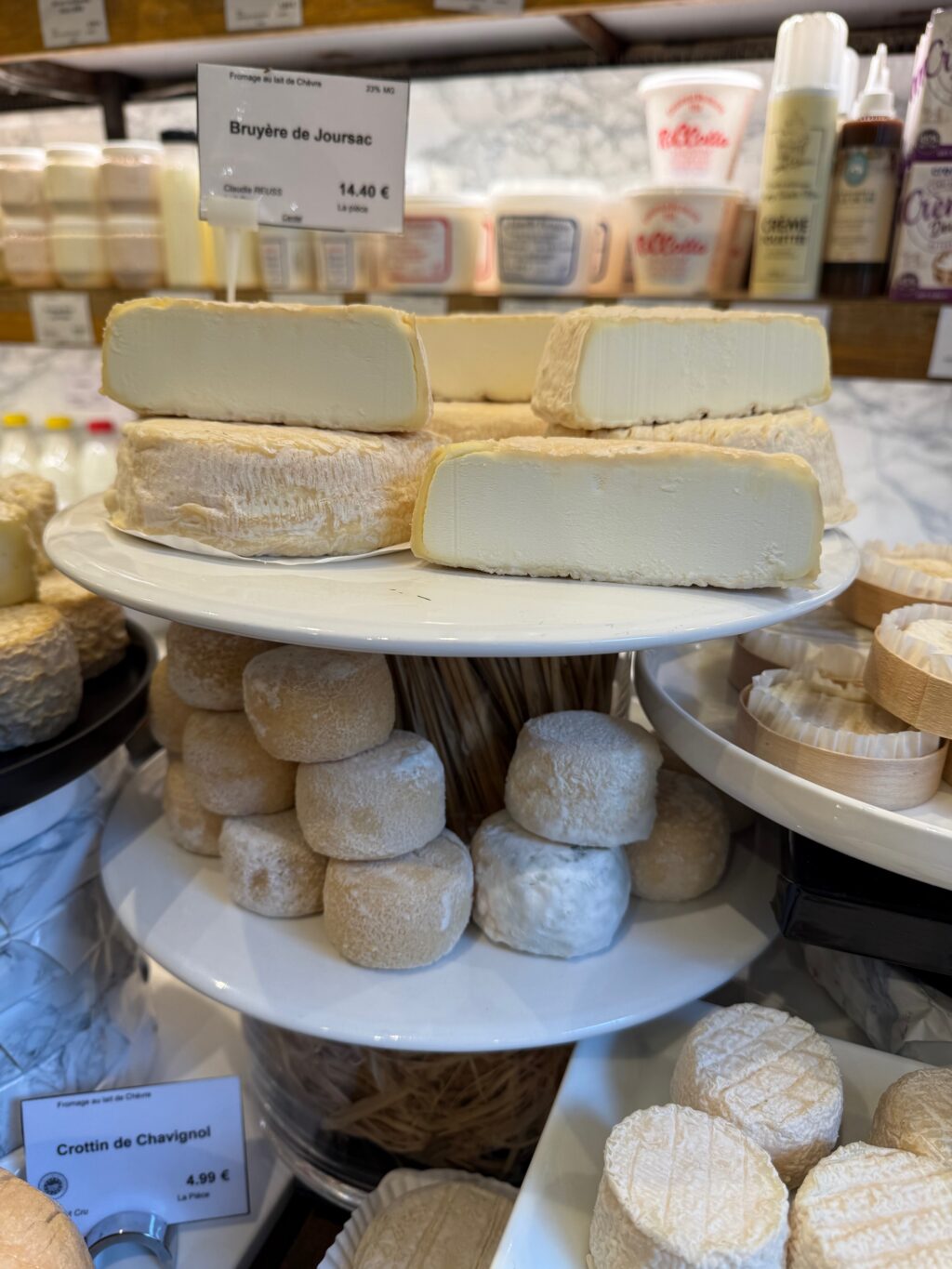
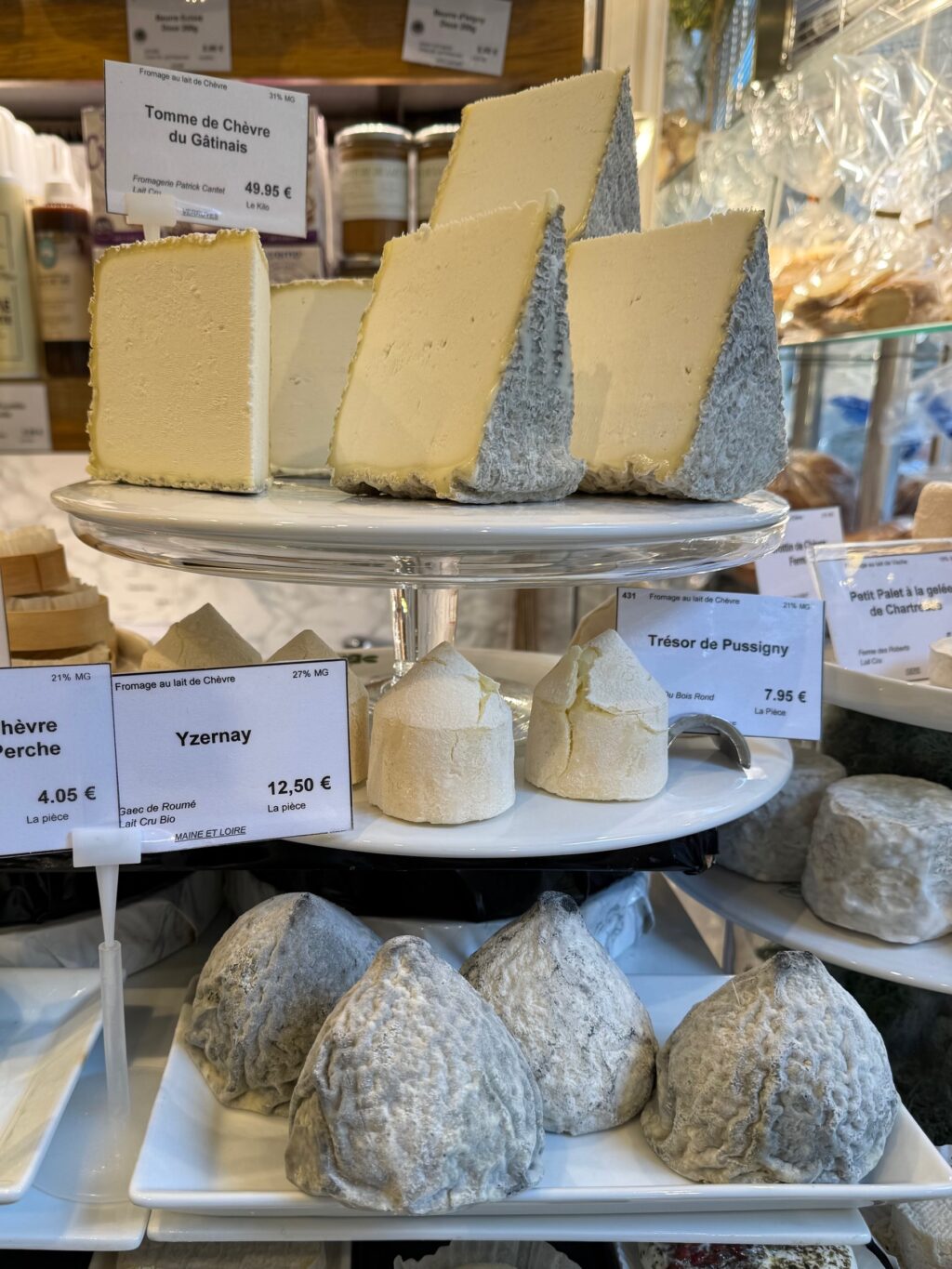
While I’ve successfully brought home a range of cheeses, I’ve learned that some travel better than others. Hard and semi-hard cheeses hold up beautifully, while softer varieties require a bit more care. That said, don’t be afraid to bring something special—just make sure it’s protected from being squished in your suitcase.
I’ve also learned that cheese is heavy—all the more reason to select wisely. If you’re concerned about the weight of your bags, you may want to select only one or two wedges to ensure you remain within airline weight limits.
Ask for “Sous Vide” Packaging
This is perhaps the most important step. At the fromagerie, always ask:
Pourriez-vous le mettre sous vide, s’il vous plaît?
Most cheese mongers are happy to vacuum seal your selections. This not only keeps your suitcase fresh (and your fellow travelers happy), but also helps preserve the cheese during transit.
Pack Thoughtfully
I always tuck my cheese into my checked bag—carefully cushioned between layers of clothing.
U.S. Customs Rules for Bringing Cheese into the United States
This is non-negotiable—and fortunately nothing to worry about. I always declare my cheese at customs, and it has never been an issue. The key is simply to be transparent. Most cheeses are allowed into the United States, especially pasteurized varieties and those without meat.
Time It Right
I make my cheese purchases toward the end of my trip, usually within a day or two of departure. It ensures everything is at its best when I arrive home and prolongs that lovely feeling of being “just back from France.”
The Joy of Bringing Cheese Home from France
Perhaps the best part comes after you’ve returned.
Unpacking your suitcase and rediscovering those carefully chosen wedges feels a bit like opening a series of edible souvenirs. Each one carries with it a memory—a market stall, a conversation, a perfect afternoon. And when shared with friends and family, those cheeses become something more than just food; they become a way of telling the story of your trip.
There is a quiet pleasure in setting out a small cheese board, pouring a glass of wine, and inviting others to taste what you’ve experienced. In that moment, you’re not just home—you’re extending the journey, savoring it a little longer, and bringing a bit of France into everyday life.
For me, it’s one of the simplest—and most meaningful—ways to keep the spirit of travel alive.
Bon retour!

Join the email list and get instant access to My Essential Packing Guide!
It's a curated list of the tried-and-true items I always pack for stress-free, stylish trips, and it’s ready to help you pack for your next adventure!
6 Comments
Leave a Comment


I began my blog in 2008 as a fun and creative outlet to share musings about my time in Paris, the things I love, making the most of your travels, and how to bring everyday France into your everyday life—no matter where you live.
Join The Email List
Sign up to receive blog posts delivered straight to your inbox



Thank you Jeannine for this precious advice
It’s crazy how cheese brought back from your trip tastes differently from the same imported locally.
As you say, it carries the flavor of travel and extends the pleasure of the trip.. like a pleasant closing
Usually I add 2 baguettes which even if deformed have this magic taste
Great suggestion – thank you!
Could you please tell me once I’ve opened myTmette soft cheeses how do I keep them from going horrible hard and of, thank you so much. Terry
Hi Terry,
Thank you for your comment! Soft cheeses are a little tricky once they’ve been shrink-wrapped. The best way to keep them (and really, all cheeses) from becoming hard and dry is to re-wrap them in parchment, waxed paper, or cheese paper rather than leaving them shrink-wrapped or exposed to the air. I also recommend placing the wrapped cheese in a container or cheese drawer in the refrigerator, where there is a little more humidity.
And one of my favorite tips: take the cheese out of the refrigerator about an hour before serving. It will soften again and have so much more flavor at room temperature.
I’ve also learned not to overbuy! If I don’t eat the cheese within a week or two of returning from France, it can become too ripe, and the flavor can become much stronger than I prefer. Sometimes, less cheese is the better choice—although that’s not always easy to remember when you’re standing at a French fromagerie. Bon courage!
My French hard cheese does not smell good once I returned home. Should I throw it all away?
Not necessarily! A stronger smell doesn’t automatically mean your cheese has gone bad. Cheese continues to ripen after you bring it home, and many French cheeses develop a very strong or pungent odor as they mature.
The important thing is to distinguish a strong cheese smell from an unpleasant or spoiled smell. If the cheese otherwise looks normal for its variety and has been properly refrigerated, a more pronounced aroma may simply mean that it is continuing to age.
I would take a small taste. If it tastes as it should—rich, nutty, earthy or pleasantly sharp—it is probably fine. If it has an unusually bitter, sour, rancid or otherwise unpleasant flavor, or if you see unexpected mold, sliminess or other signs of spoilage, I would throw it away.
One other thing: if you brought the cheese home from France wrapped in paper or plastic, give it some fresh air. Cheese needs to breathe, and being tightly wrapped in plastic can sometimes make the aroma seem even stronger.
So, before you throw it away, I’d give it a careful look and smell—and, if everything else seems normal, a little taste. French cheese can be wonderfully assertive!