
Pied-à-Terre or Boudoir? You Decide.
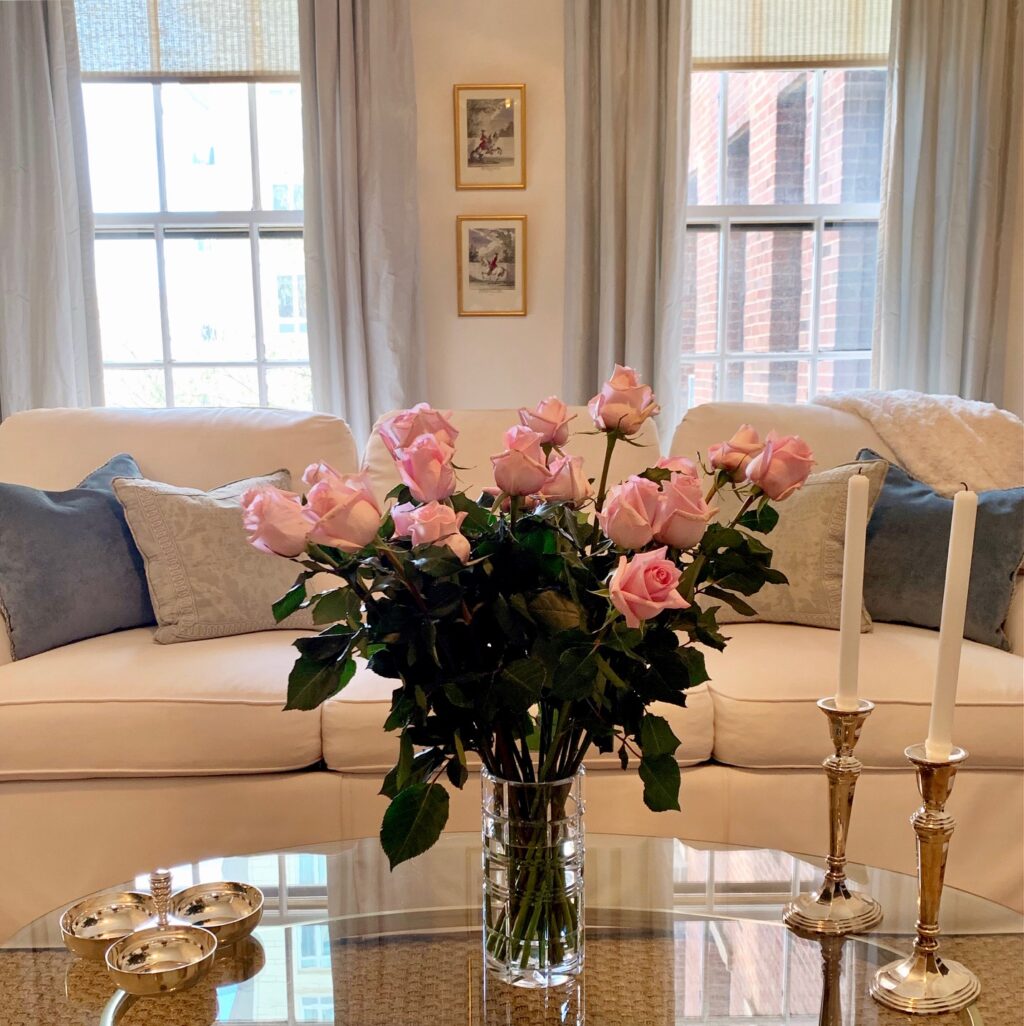
I’ve always referred to my in-town apartment as a pied-à-terre. It sounded chic and cosmopolitan—the perfect city base, a “foot-on-the-ground” for someone who mainly lives elsewhere. In my mind, it was a convenient little nest for errands, short stays, or easy escapes from the suburbs.
But my French girlfriend recently set me straight.
She looked around my cozy, softly furnished apartment, with its delicate touches and intimate corners, and said with a smile, “This isn’t a pied-à-terre. It’s a boudoir.”
A boudoir? I had always thought of a boudoir as simply a bedroom—a private place to sleep. She gently explained that it is much more than that. Derived from the verb bouder, meaning “to pout” or “to withdraw,” the term first appeared in France in the early 18th century. A boudoir was typically a small, refined, softly lit room designed as a private retreat for women of high society. It was a place for relaxation, reflection, study, and confidential conversations—a place to step away from the demands of public life, an intimate space that came to symbolize privacy, seduction, and feminine elegance.
But this idea of “withdrawing” wasn’t about idleness. It was about creating space—for reflection, reading, writing, and intimacy.
In fact, the rise of the boudoir coincided with the Siècle des Lumières, when ideas about reason, individuality, and intellectual life were reshaping French society. While men gathered in academies and cafés, women often engaged with these same ideas in more private settings. The boudoir became a quiet counterpart to the grand salons—less formal, more personal, and often more candid. Within these intimate rooms, women could read, think, and host trusted friends, participating in the cultural life of their time in ways that were subtle but meaningful.
Madame de Pompadour had her boudoir at Versailles, where she could entertain close friends or enjoy moments of solitude away from court life. Marie Antoinette created a similar refuge at the Petit Trianon, using her boudoir as a private haven from the rigid formalities of palace life.
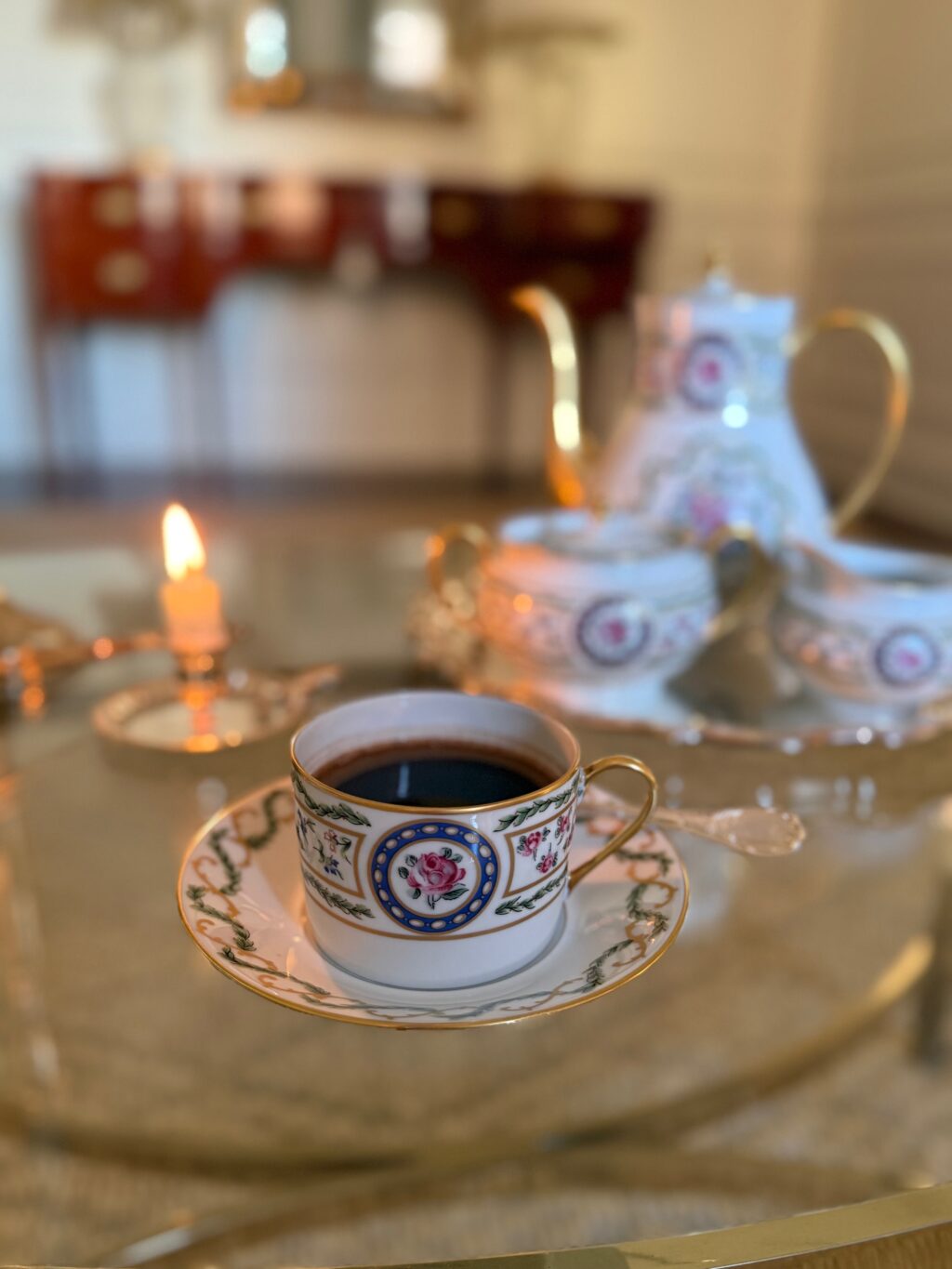
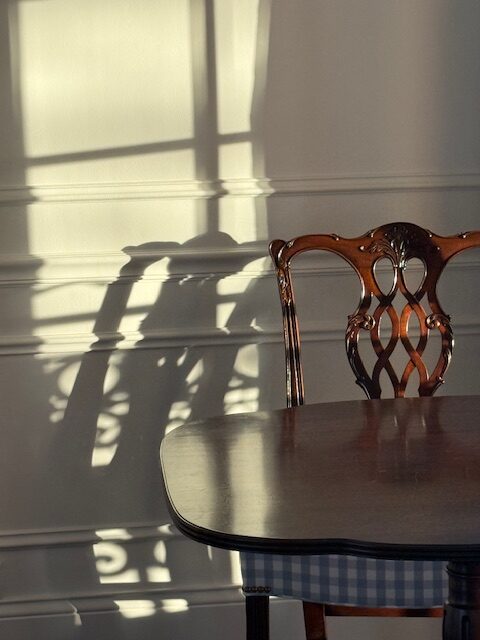
Looking around my own space, I realized my friend was right. I don’t come to my apartment for practicality or mobility, as one might with a true pied-à-terre. I come for quiet, solitude, and comfort. The apartment is filled with sunlight and my most cherished possessions. There is always a good book close at hand to while away the hours, and I occasionally invite one or two close friends for coffee, a glass of wine, or a light meal.
So, what’s your verdict? Is my little city apartment a practical pied-à-terre or an intimate boudoir? Perhaps it’s a bit of both. Or perhaps your own urban sanctuary would tip the scale differently.
I’d love to hear your take—let the debate begin in the comments.

Join the email list and get instant access to My Essential Packing Guide!
It's a curated list of the tried-and-true items I always pack for stress-free, stylish trips, and it’s ready to help you pack for your next adventure!
1 Comment
Leave a Comment
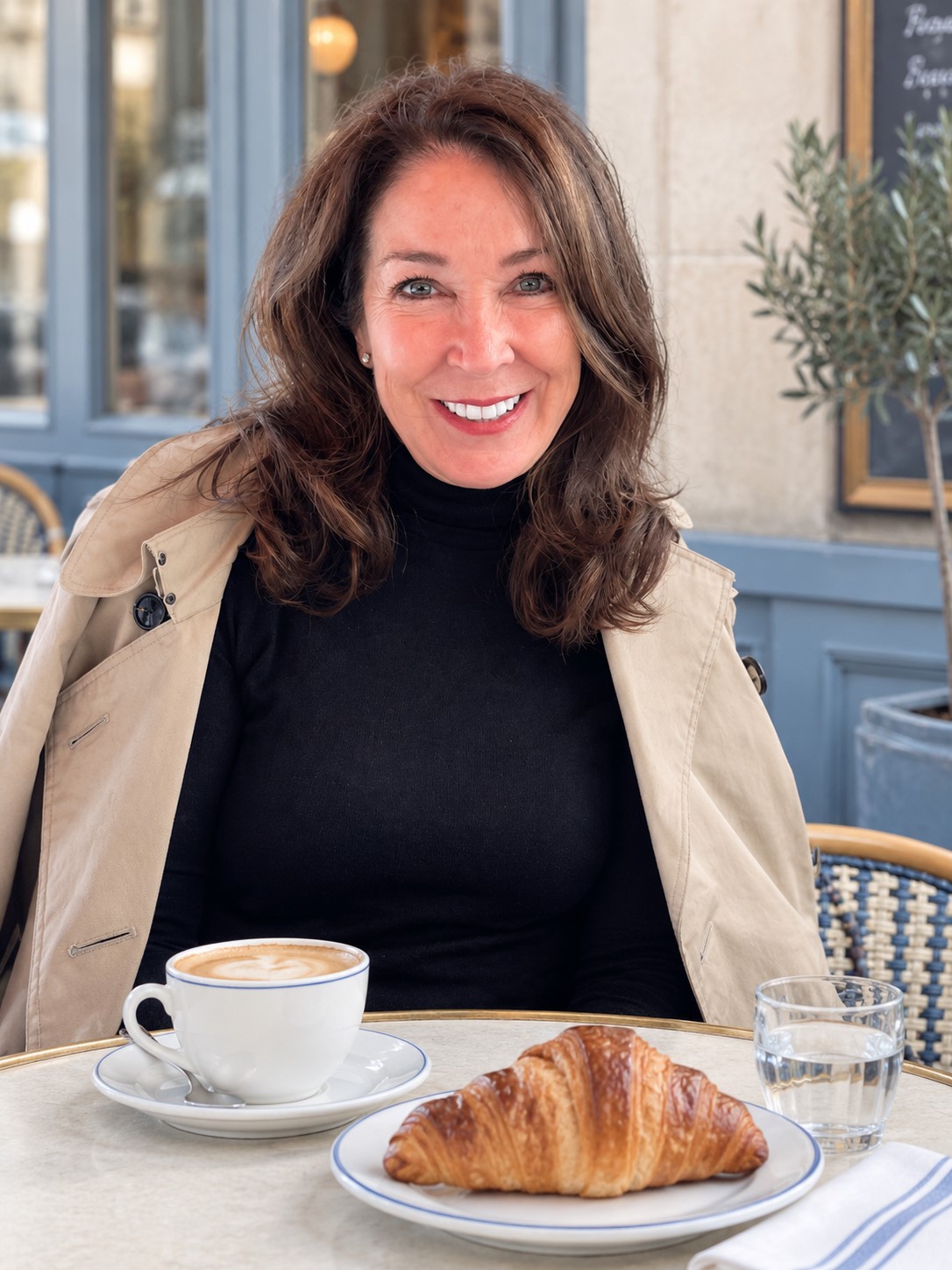

I began my blog in 2008 as a fun and creative outlet to share musings about my time in Paris, the things I love, making the most of your travels, and how to bring everyday France into your everyday life—no matter where you live.
Join The Email List
Sign up to receive blog posts delivered straight to your inbox


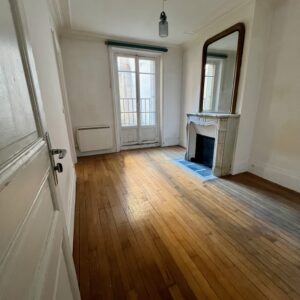
Definitely a boudoir
The elegance and art de vivre of the past transposed in today world