An Evening with Claude Debussy and My Mother
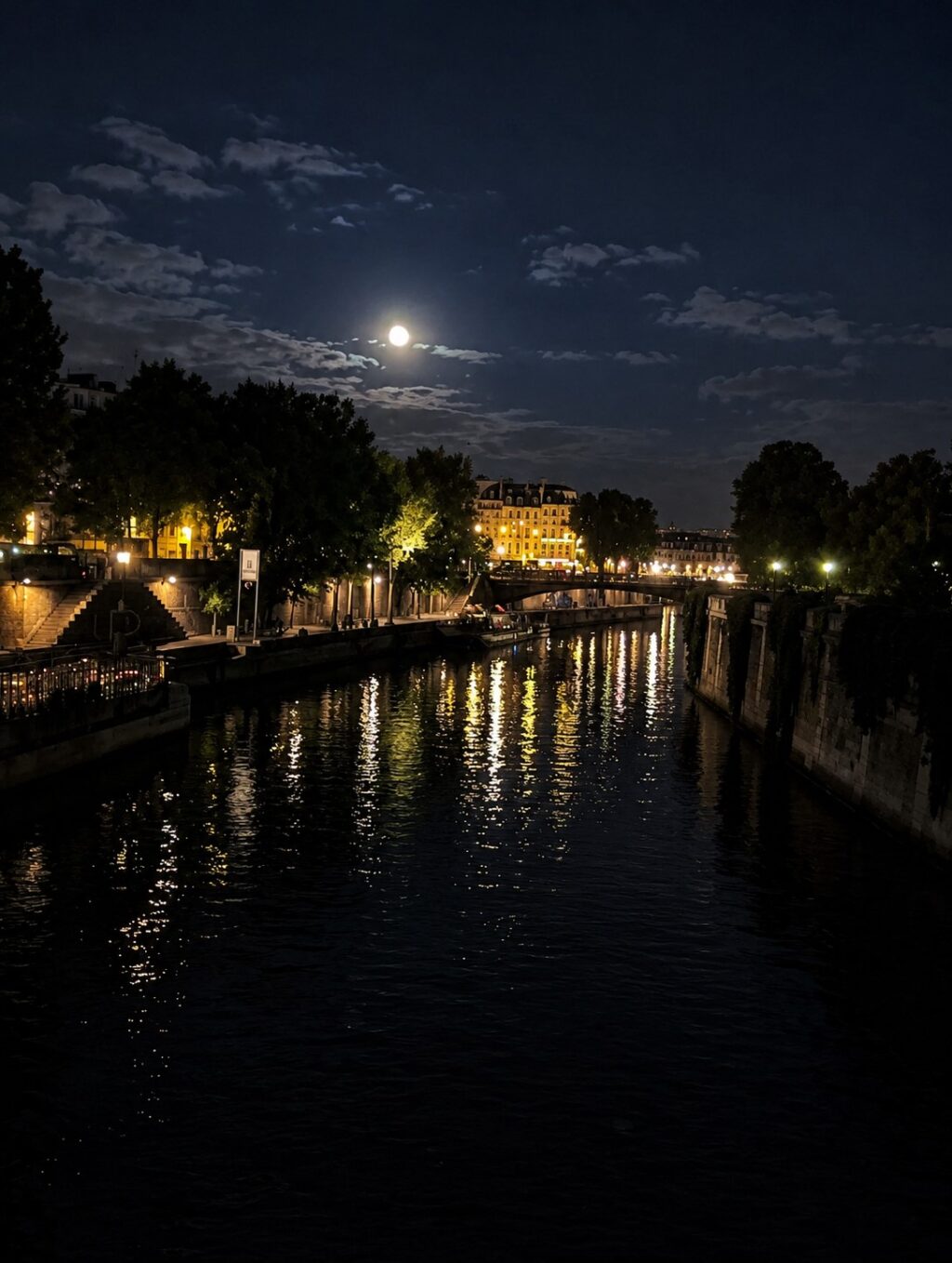
Last night, standing on the Pont de l’Archevêché, with Notre-Dame glowing against the dark sky and the moon hanging low in the sky, I could not help but think of Claude Debussy’s Clair de Lune.
There are certain pieces of music that feel inseparable from our consciousness, and Clair de Lune is one of them. Even people who do not know classical music recognize those first few notes. Standing there on the bridge, listening to the flow of the Seine, it felt as if Debussy had composed the piece for that very moment.
I also couldn’t help but think about my mother, who absolutely loves Clair de Lune. When we were growing up, we would go to my parents’ club in the city for special occasions. There was a pianist who always played Clair de Lune for my mother because he knew how much she loved it. Hearing that piece on those occasions became almost a tradition of its own: when he began to play, we would all go quiet so she could listen undisturbed. Inevitably, she would comment about its beauty.
Debussy was inspired to write Clair de Lune, which means “light of the moon,” by a poem of the same name by Paul Verlaine. Like the poem, the music feels impressionistic — more atmosphere and suggestion than structure. Debussy himself resisted the label of Impressionism, but its impressionistic character is undeniable. His music is uniquely evocative, capturing reflection and movement with extraordinary delicacy.
Paris does this so well. It reminds you that beauty does not always arrive in grand moments. Sometimes it is simply moonlight on the water, music remembered from another time, and a quiet bridge at the end of the evening.

Join the email list and get instant access to My Essential Packing Guide!
It's a curated list of the tried-and-true items I always pack for stress-free, stylish trips, and it’s ready to help you pack for your next adventure!
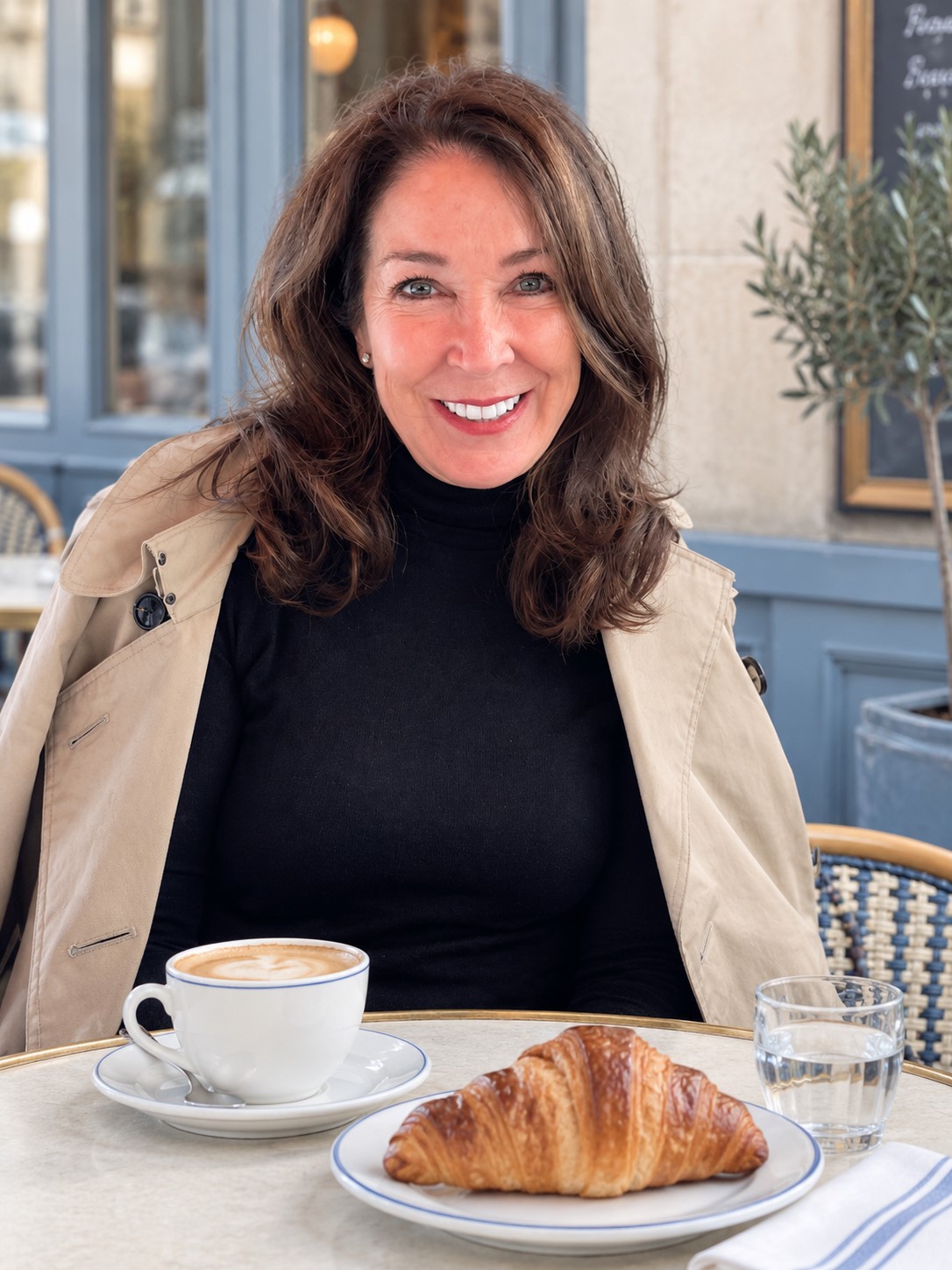

I began my blog in 2008 as a fun and creative outlet to share musings about my time in Paris, the things I love, making the most of your travels, and how to bring everyday France into your everyday life—no matter where you live.
Join The Email List
Sign up to receive blog posts delivered straight to your inbox