How to Host a French Apéro: The Art of French Entertaining at Home
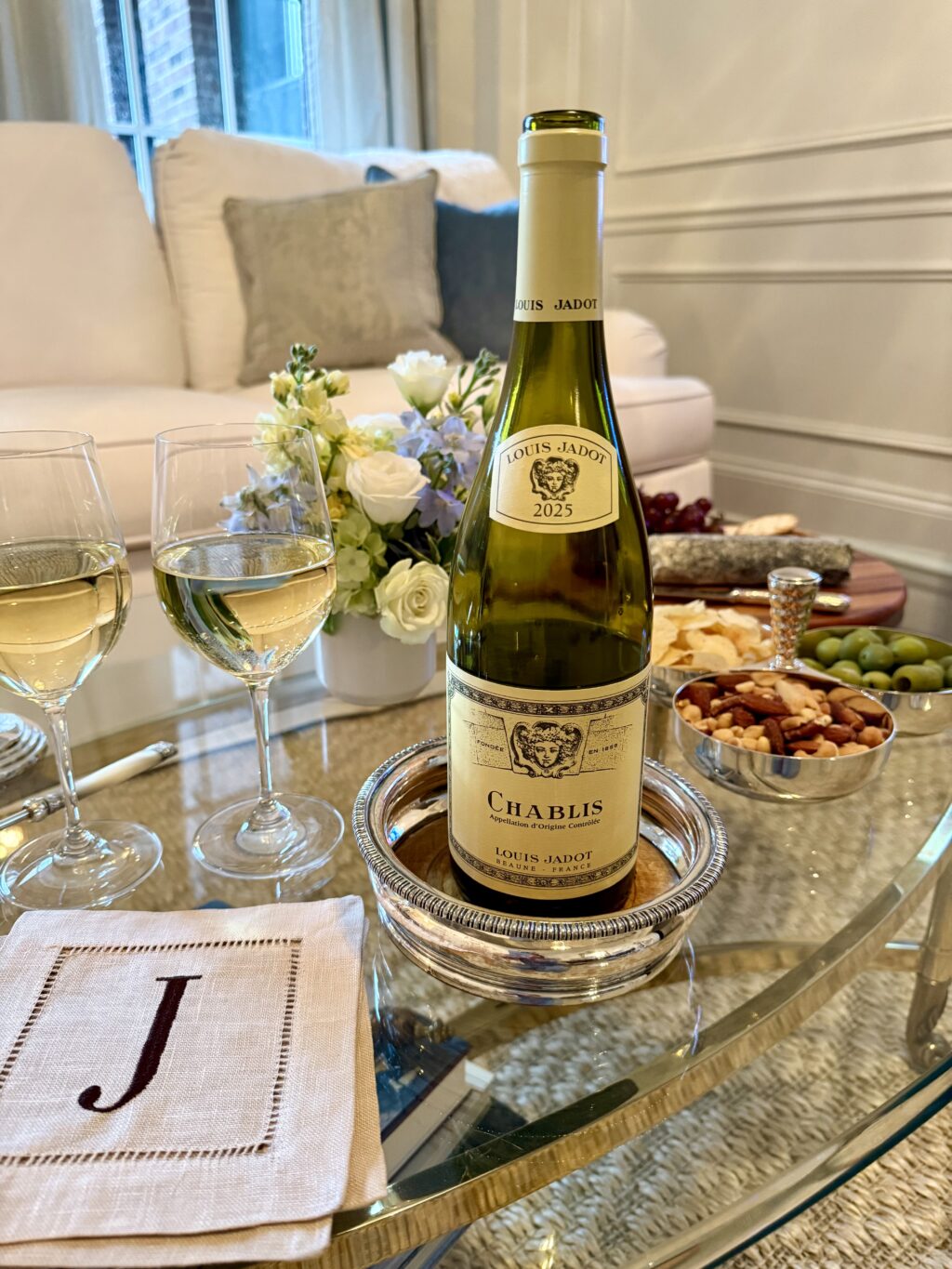
There’s hardly anything nicer than being invited for an apéro.
I’ll never forget my very first one in France. At the time, I was living with a French family in Lille while teaching at the university. One evening, the daughter of the family announced that she was hosting an apéro in the garden so I could meet some of her friends.
Because I was living with the family, it seemed only natural that I help prepare. Together, we filled bowls with mixed nuts and potato chips and chilled the wine. I remember being slightly surprised by the offerings. In my American mind, entertaining usually called for something more elaborate. Potato chips felt almost too casual. But, as I would soon discover, that was precisely the point.
As the guests arrived, everyone gathered comfortably around the garden table, glasses in hand. Conversation flowed easily, laughter filled the evening air, and no one seemed in any hurry to move on to dinner. I quickly realized that the apéro itself was the occasion.
That evening in Lille introduced me to one of France’s most cherished traditions—and one that I have continued to embrace ever since.
More Than a Pre-Dinner Drink
In France, l’apéritif—more affectionately known as l’apéro—marks the transition between the day and the evening. Traditionally enjoyed around six or seven o’clock, it is an invitation to pause, unwind, and spend time together.
While the word originally referred to a drink intended to stimulate the appetite, the apéro has become a ritual in its own right. Sometimes it lasts thirty minutes; other times it stretches for hours. There are no rigid rules, which is perhaps part of its charm.
The French understand that hospitality is not about perfection. It is about conviviality.
The Art of Simplicity (and What to Serve)
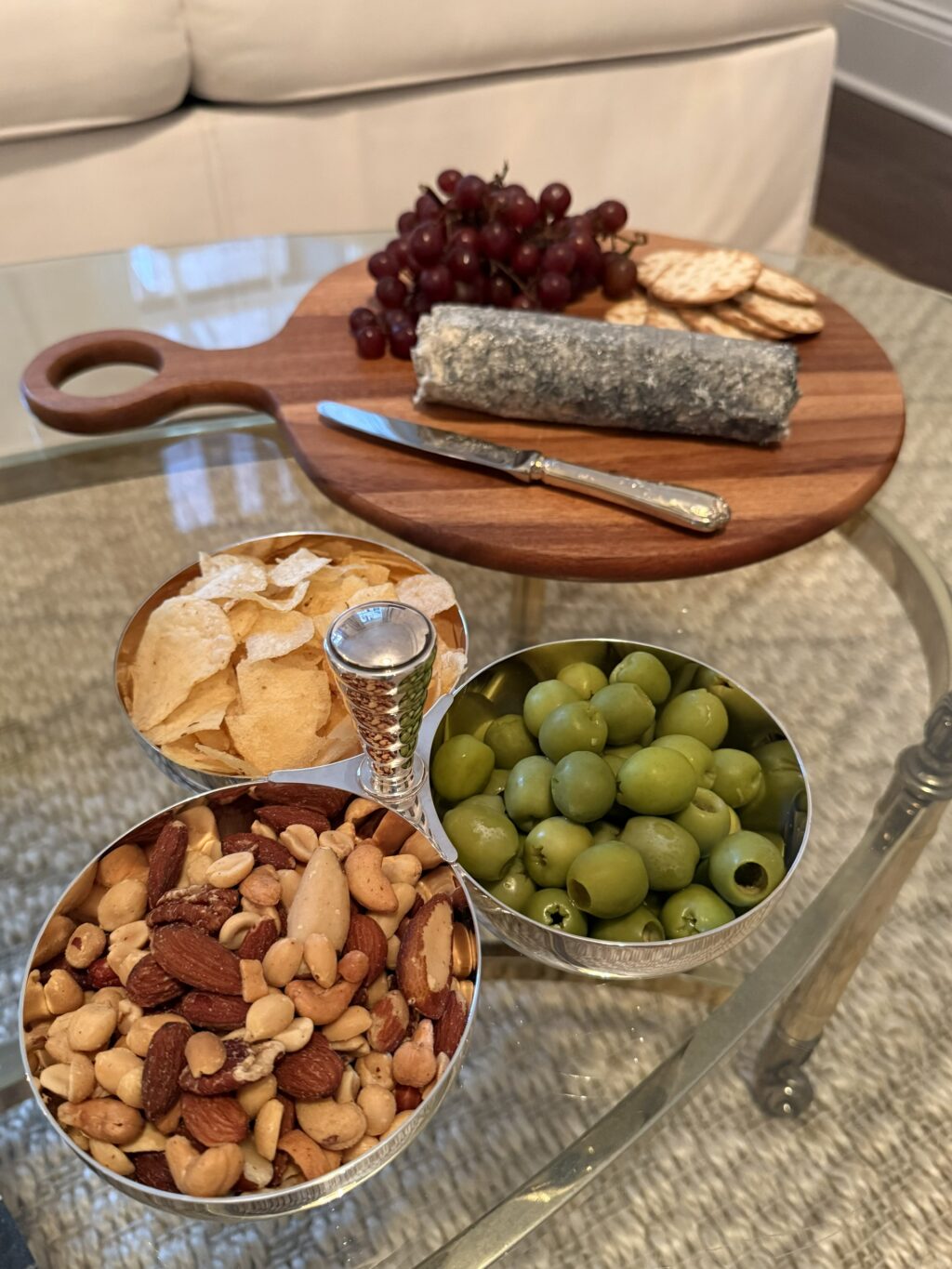
Over the years, I’ve come to learn that potato chips are standard fare at French apéros. Alongside olives, mixed nuts, cornichons, and perhaps a few slices of saucisson or wedges of cheese, they are considered perfectly acceptable—and even expected.
In fact, this relaxed approach extends beyond the home. At certain times of day, many cafés and wine bars throughout France will automatically bring a small complimentary bowl of chips, olives, or nuts when you order a glass of wine. It is a simple gesture, but one that reflects the French understanding that food and conversation naturally belong together.
If there is a “formula” to a French apéro, it is this: keep it simple, seasonal, and unfussy.
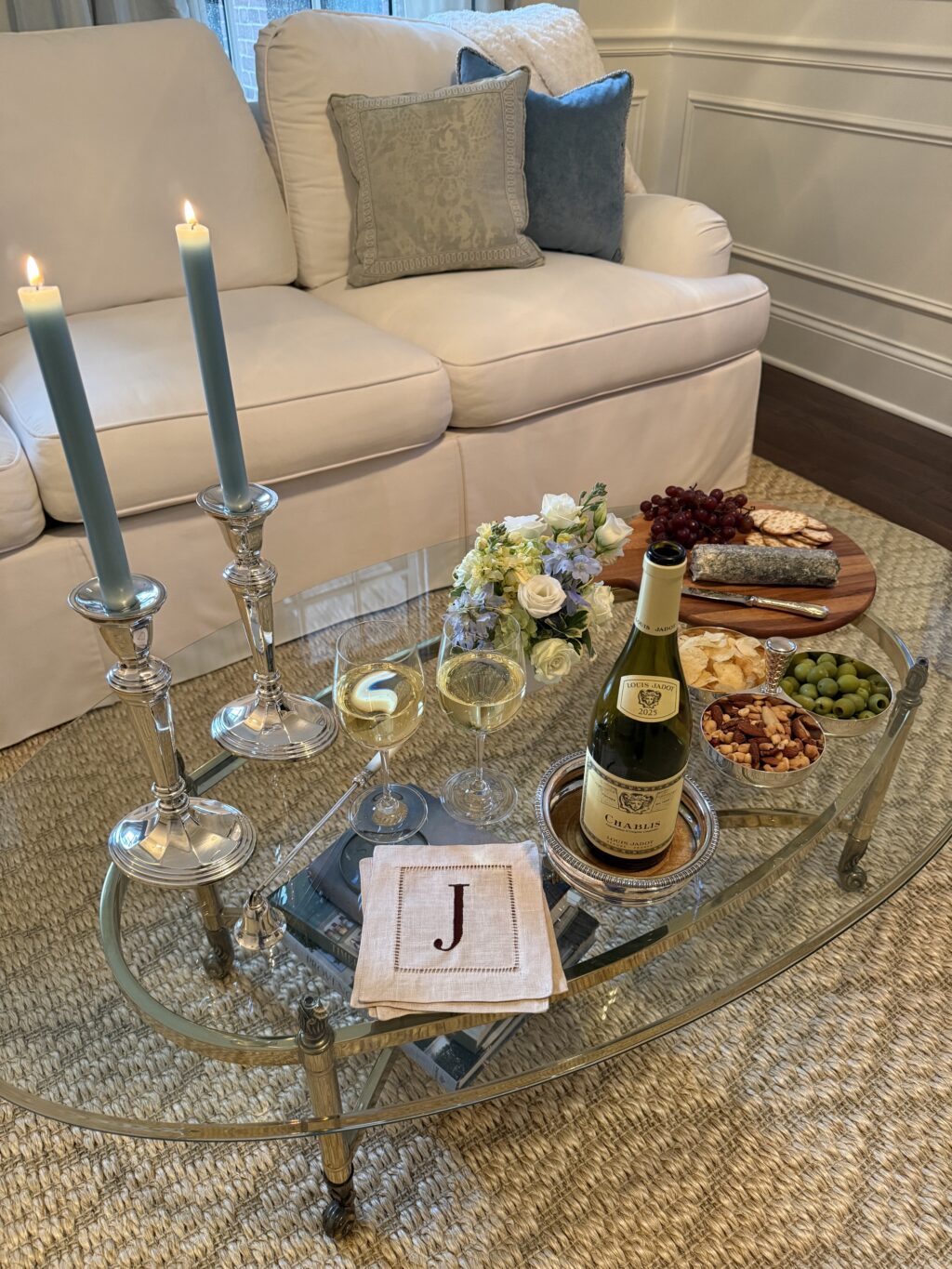
A bottle of wine (white, rosé, or light red depending on the season), three to five small bites, and no expectation of a structured menu. Think olives, nuts, chips, cheese, or something regional you love. That is enough.
The goal is not abundance—it is ease.
Bringing a Taste of France Home
Today, whenever I host an apéro for friends who share my love of French language and culture, I often think back to that first evening in Lille.
One of the traditions I have adopted over the years is bringing gourmet treats home from France. Sometimes it’s a tin of foie gras purchased at a market in the Southwest. Other times, it’s a seasonal cheese discovered during a recent trip. I love sharing these small treasures with friends and introducing them to the regional flavors that make France so endlessly fascinating.
Recently, while welcoming a dear friend visiting from France, I selected a bottle of 2025 Louis Jadot Chablis and paired it with creamy goat cheese. With its bright minerality and crisp citrus notes, the 2025 Louis Jadot Chablis beautifully complements the cheese. Together, they create one of France’s most timeless pairings—perfect for summer entertaining,
The Pleasure of Making It Special
While apéros are meant to be simple, informal gatherings, I do enjoy elevating the experience in quiet ways. They provide the perfect excuse to bring out pieces that might otherwise stay tucked away—a three-bowl apéritif dish collected in France, linen cocktail napkins, and small details that make an ordinary table feel considered.
Not because it is necessary, but because it adds to the pleasure of the moment.
There is something very French in that balance: simplicity without neglect, ease without indifference.
How to Host a French Apéro
If there is an art to the apéro, it lies in restraint and atmosphere rather than abundance. A few guiding principles:
- Keep it simple: One bottle of wine and a handful of uncomplicated bites are enough.
- Serve with ease: Nothing should require last-minute cooking or formal plating.
- Mix textures and flavors: Salty, creamy, crunchy—just enough variety to accompany conversation.
- Let it be unstructured: There is no fixed start or end time. Guests linger, or they don’t. Both are perfect.
- Focus on company, not presentation: The table should invite conversation, not performance.
Most important, do not overthink it. The French rarely do.
Bringing It All Together
After all these years, I still think of that garden in Lille when I set a table at home. The simplicity. The ease. The way nothing felt staged, yet everything felt right.
The French have long understood that life’s pleasures are often found in ordinary moments. A glass of wine, a small snack, and unhurried conversation can be enough to turn an evening into something memorable.
And perhaps that is the true art of the French apéro.
Santé.

Join the email list and get instant access to My Essential Packing Guide!
It's a curated list of the tried-and-true items I always pack for stress-free, stylish trips, and it’s ready to help you pack for your next adventure!
1 Comment
Leave a Comment


I began my blog in 2008 as a fun and creative outlet to share musings about my time in Paris, the things I love, making the most of your travels, and how to bring everyday France into your everyday life—no matter where you live.
Join The Email List
Sign up to receive blog posts delivered straight to your inbox


Thank you for sharing your guiding principles.