
Tipping in France: What You Need to Know
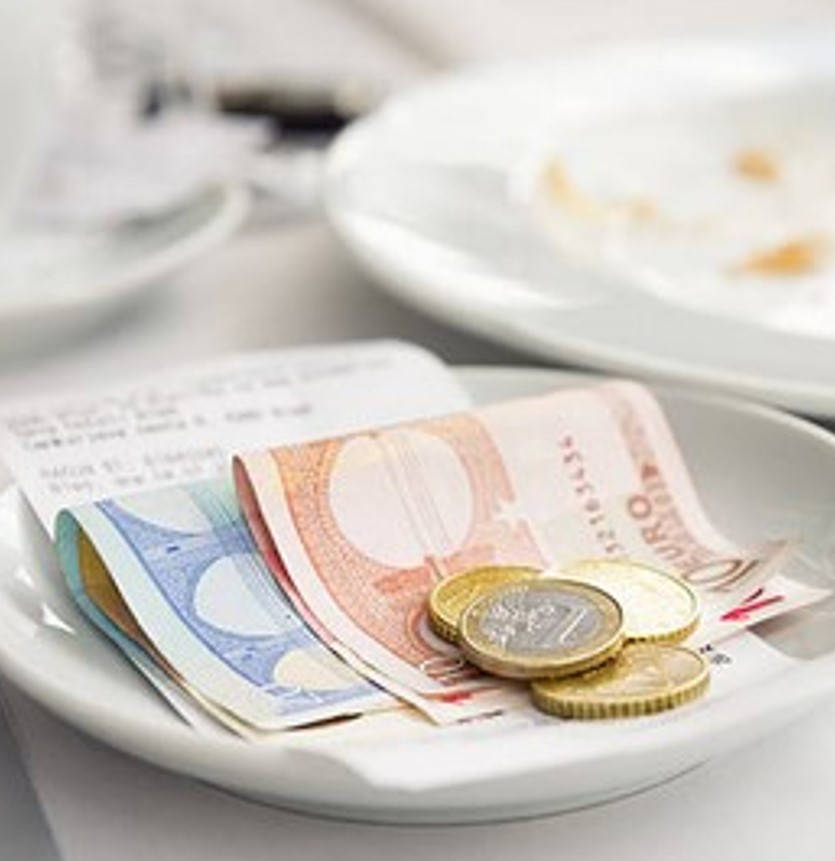
As someone who has traveled to France for decades, I’ve had the privilege of watching the country’s tourism scene evolve over the years. One thing that has become more and more evident is the increasing number of international travelers. It’s always exciting to see France’s popularity continue to rise, but with that growth comes the importance of being respectful and appreciative of the wonderful service providers who make our experiences unforgettable.
I’ll never forget having a late-night dinner at a beautiful brasserie in Paris and overhearing an American at the next table say to his friend, “And here’s the best thing about France—you don’t have to tip.” I cringed at that comment—it just made me uncomfortable on so many levels. Of all the beautiful, rich, and deeply meaningful things to love about France—the art, the history, the food, the people—that’s what he chose to highlight? I wanted better from my countryman—because when we travel, we’re not just visitors; we’re ambassadors. How we treat others reflects who we are as individuals and as a people.
I’ve always made it a point to tip well—something I learned from my parents, who taught me to value good service. The service industry can be tough, and when things run smoothly, it’s often thanks to the people working behind the scenes. When it comes to tipping in France, though, things work a bit differently than in places like the United States. If you’re traveling there for the first time, the tipping culture can be a little confusing—but don’t worry, I’m here to help explain it.
Understanding Service Charges in France
The first thing you should know about tipping in France is that service is often included in the bill. In French restaurants and cafés, a service charge (service compris) is typically included in the menu prices. This means that waitstaff are already compensated for their work. In fact, the law requires that this charge be included in all food and beverage prices.
The service compris is not a tip but a statutory part of an employee’s wage structure, roughly equivalent to 15%. It’s not listed as a line item on the bill like in the U.S. While tipping isn’t mandatory in France, it’s always appreciated, especially for good service. I always leave a small tip in addition to the service compris.
Cultural Insight
Tipping in France has a long and interesting history. It began in the 17th century as a voluntary gesture from the upper class to thank servants, and by the 19th century, as cafés and restaurants flourished—especially in cities like Paris—it became more structured. Still, tipping remained largely optional and was left to the patron’s discretion. Fast forward to 1985, and France made it law for a 15% service compris to be included in all restaurant and café prices. This charge is built into the menu and goes directly toward employees’ wages.
Unlike in the U.S., where tips often make up a large part of a worker’s income, French service staff are paid a stable salary with benefits. That means tipping isn’t required—but it’s still a lovely gesture, especially from tourists. Many servers go out of their way to accommodate visitors, whether it’s speaking their language, recommending dishes, or adapting to unfamiliar expectations. Leaving a few euros or rounding up the bill is a simple way to say thank you—and to acknowledge the extra effort that makes your experience feel seamless.
How much to tip?
So, if service is included, how much should you tip? While it’s not expected to leave large tips, small gestures go a long way and are greatly appreciated in France.
Restaurants │No need to leave a large tip, but rounding up your bill is a kind and appreciated gesture. For example, if your bill is €26.50, leaving €30 is a nice way to show gratitude.
Bars and Cafés │For drinks at a bar or café, a small tip is appreciated. You can round up your bill or leave €1 for good service. If you’ve had a particularly enjoyable experience or received extra attention, leaving a bit more is always a nice touch.
Hotel Staff │Hotel staff are often overlooked in the modern era and that while most people understand the importance tipping in dining establishment the art of tipping hotel staff is a lesser known practice. Here’s my advice:
- Housekeeping : €1-2 per night left in the room or handed to the staff personally is a good practice, especially if you’ve had a longer stay. I always leave the tip on the pillow with a simple thank you note, so staff understands it’s meant for them as opposed to forgotten money. Personally, I believe housekeeping staff work extremely hard and should be recognized for helping making my stay as comfortable as possible.
- Concierge or bellhops: €2-3 per bag for placing bags in storage, carrying them to the room, or providing extra help. If you’ve received exceptional service (like securing a last-minute reservation at a popular restaurant), consider tipping a bit more.
- Doormen and other staff: If a doorman assists you with taxis or other services, a tip of around €1-2 is appropriate. The same is true for anyone who comes to the room to provide a service, such as replacing batteries in the television remote control.
Taxis or Ride Shares│For taxis, tipping is not obligatory, but rounding up the fare is always appreciated. For example, if your fare is €13.50, you can round it up to €15 or leave €1-2 if the driver was particularly helpful or friendly. Ride share payment apps make this habit easy and convenient.
Tour Guides │If you’ve had a private tour or a special guided experience, a €5-10 tip for a half-day tour or €10-20 for a full-day tour is a kind gesture to show appreciation for the guide’s expertise and effort.
Other Services │There are a variety of others who provide service during travel – keep them in mind too!
- Hairdressers and Beauticians: A tip of around €1–3 is common for both the person who shampoos your hair and the stylist. Tipping is salons is customary, especially when the service is good.
- Valets: If you use a valet service at a hotel or restaurant, a tip of €1–2 is typically appreciated when your car is returned.
- Maîtres d’ (Maîtres d’hôtel): If a maître d’ (formally known as a maître d’hôtel, meaning “master of the house”) helps you secure a table at the last minute or fits you into a fully booked restaurant, discreetly offering a small tip of around €3–5 is a thoughtful way to show appreciation. While tipping is not expected, this gesture acknowledges their effort and can foster goodwill for future visits.
- Sommeliers: Sommeliers (wine stewards) specialize in recommending, pairing, and sometimes serving wine. While there’s no strict tradition of tipping them, if a sommelier provides exceptional service—such as recommending standout wines, offering detailed insights, or personalizing your experience—a small tip is a nice gesture. In fine-dining or Michelin-starred restaurants, it’s not unusual to tip the sommelier separately. In these cases, €5–10 is considered generous and appreciated, though it remains optional. The tip acknowledges their expertise and attentiveness.
When NOT to Tip
While it’s common to leave small tips in many situations, there are a few places where tipping is not expected. This includes the following:
- Supermarkets and grocery stores: Tipping is not needed in these settings.
- Small businesses or shops: Similarly, there’s no need to tip when purchasing items at shops or stores.
- Public transport: You don’t tip bus or metro drivers in France.
The Bottom Line
Whether you’re enjoying a croissant in a charming café, a glass of wine, or a private tour through the Louvre, take a moment to show your thanks for quality service. A little gratitude can go a long way, and it’s always appreciated in the beautiful country of France!
Join the email list and get instant access to My Essential Packing Guide!
It's a curated list of the tried-and-true items I always pack for stress-free, stylish trips, and it’s ready to help you pack for your next adventure!
6 Comments
Leave a Comment


I began my blog in 2008 as a fun and creative outlet to share musings about my time in Paris, the things I love, making the most of your travels, and how to bring everyday France into your everyday life—no matter where you live.
Join The Email List
Sign up to receive blog posts delivered straight to your inbox


I so enjoy reading your blogs. They are interesting, informative and your photography is beautiful. Thank you for taking the time to share all of this with us.
Thank you – I’m so happy to know you enjoy the blog!
Madame vous êtes au Top !
Merci beaucoup!
I don’t agree with your thoughts on tipping even though I do tip worldwide, even in countries that don’t have this custom. I agreed with someone who wrote in the NYTIMES that you tipped to make yourself feel better not because the service was good. I didn’t know that France’s pricing already included a 15% service charge. So adding another 10% on top feels too much (using your example about rounding up). I will stop doing that.
I’m one of the people who have tipping fatigue. It has become too much to see this expectation in the US that I now do not tip when picking up a coffee or a sandwich at the counter.
Tipping housekeeping has not worked out for us ever, the thousands of times we have done it. The housekeepers get too excited and do not clean well. Just FYI. I only tip when leaving and when they did clean the room well. In France, a really clean room is a rarity. I’ve been traveling around for several years now, staying in hotels and Airbnbs. And I lived for nearly 20 years abroad. Asian countries do the best in housekeeping and they don’t expect tipping at all.
Thank you so much for your comments. I appreciate your perspective and agree in that the tipping culture in the U.S. has gotten out of hand.