October 6, 1789: The Day Versailles Changed Forever
Today, October 6, marks one of the most dramatic days in the history of Versailles.
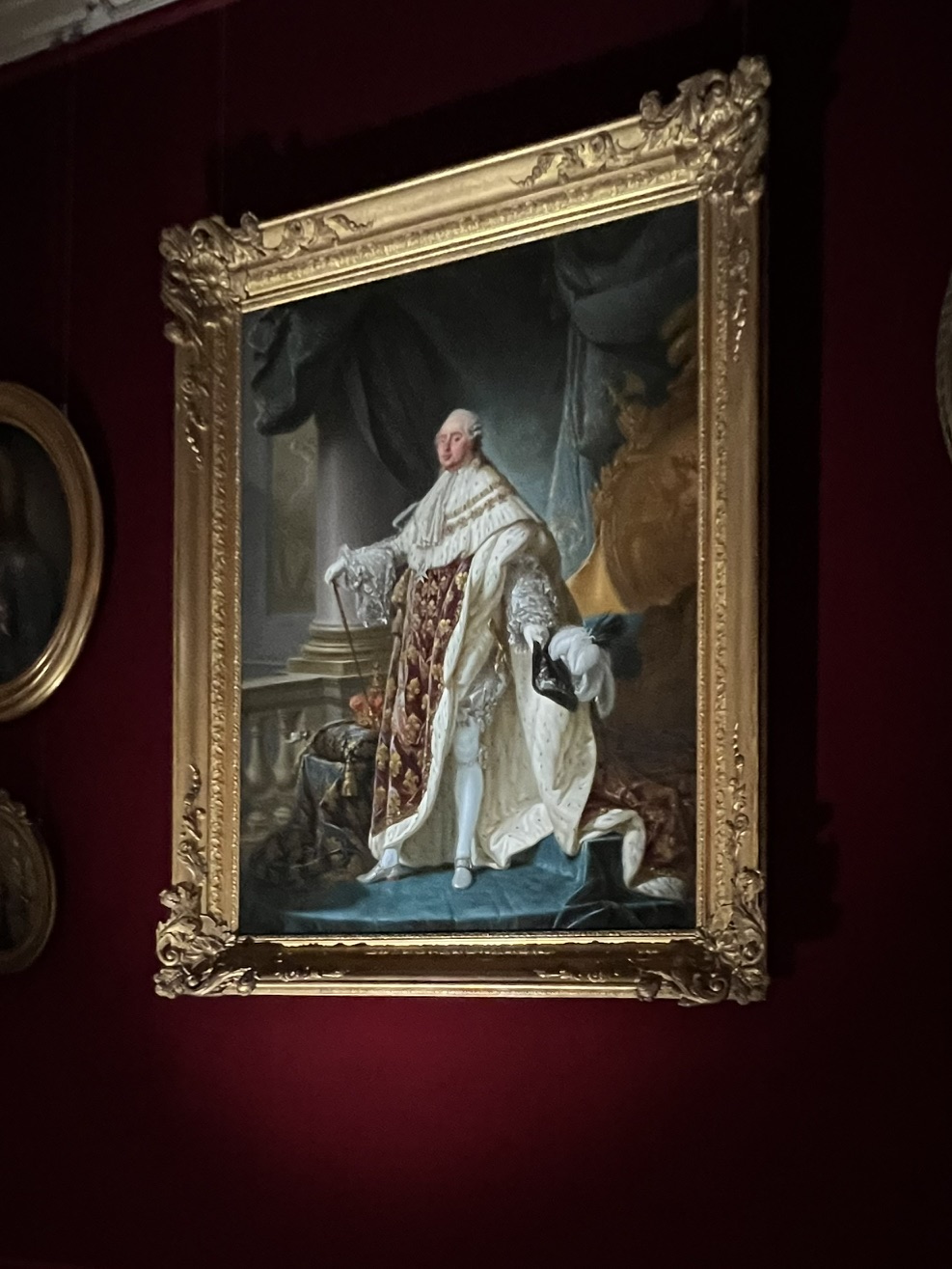
On this day in 1789, thousands of Parisians—many of them women—marched to Versailles to demand bread and confront the monarchy. By the end of the day, Louis XVI, Marie-Antoinette, and their children left the palace for Paris, never to return as residents.
I can’t help but think about their fate whenever I visit Versailles. It is remarkable to consider how quickly events unfolded—and how much violence would follow. I’m sympathetic to their plight and often wonder what France might look like today had the monarchy survived.
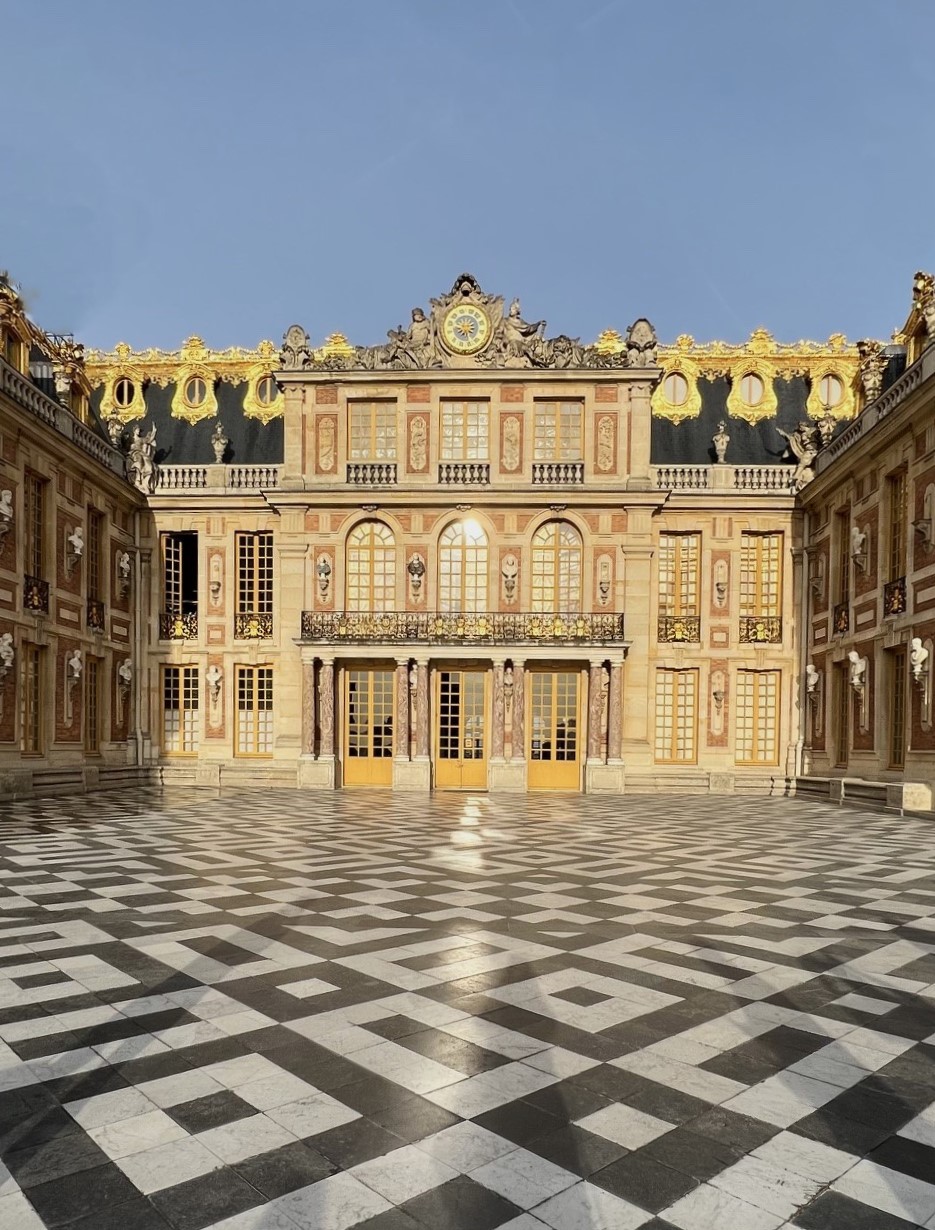
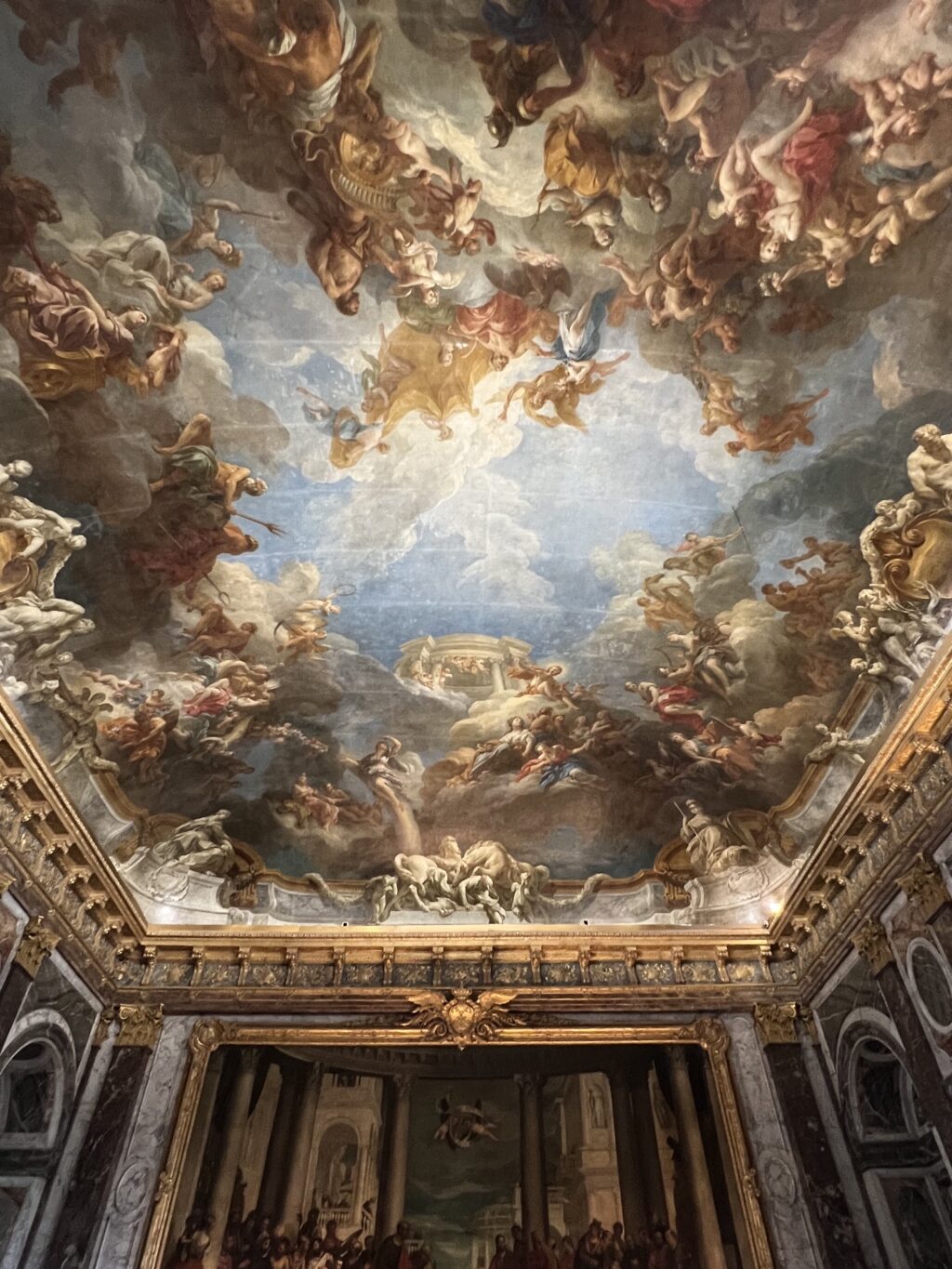
It’s also remarkable that we can now walk through spaces that were once reserved for the royal family. The Hall of Mirrors, the King’s Apartments, and the Queen’s Apartments are all open to visitors, allowing us to see the grandeur of Versailles firsthand.
But on October 6, 1789, the palace was at the center of a very different scene. The French Revolution had arrived at Versailles.
What Happened at Versailles?
The events began the previous day, October 5, when thousands of Parisians gathered and set out for Versailles. Bread was at the heart of their demands. France was facing a severe financial and food crisis, and the rising price of bread had become a particularly painful issue for ordinary people.
The marchers traveled roughly 12 miles from Paris to Versailles, arriving only days after a lavish banquet held at the Royal Opera on October 1 for officers of the Flanders Regiment. The royal family had attended, and the evening included music, wine, and toasts to the king and queen.
At another moment in French history, it might have been nothing more than a royal celebration. But France was hungry, and the optics were terrible. Reports of the banquet—and particularly its extravagant atmosphere—helped fuel anger toward the monarchy.
The March on Versailles
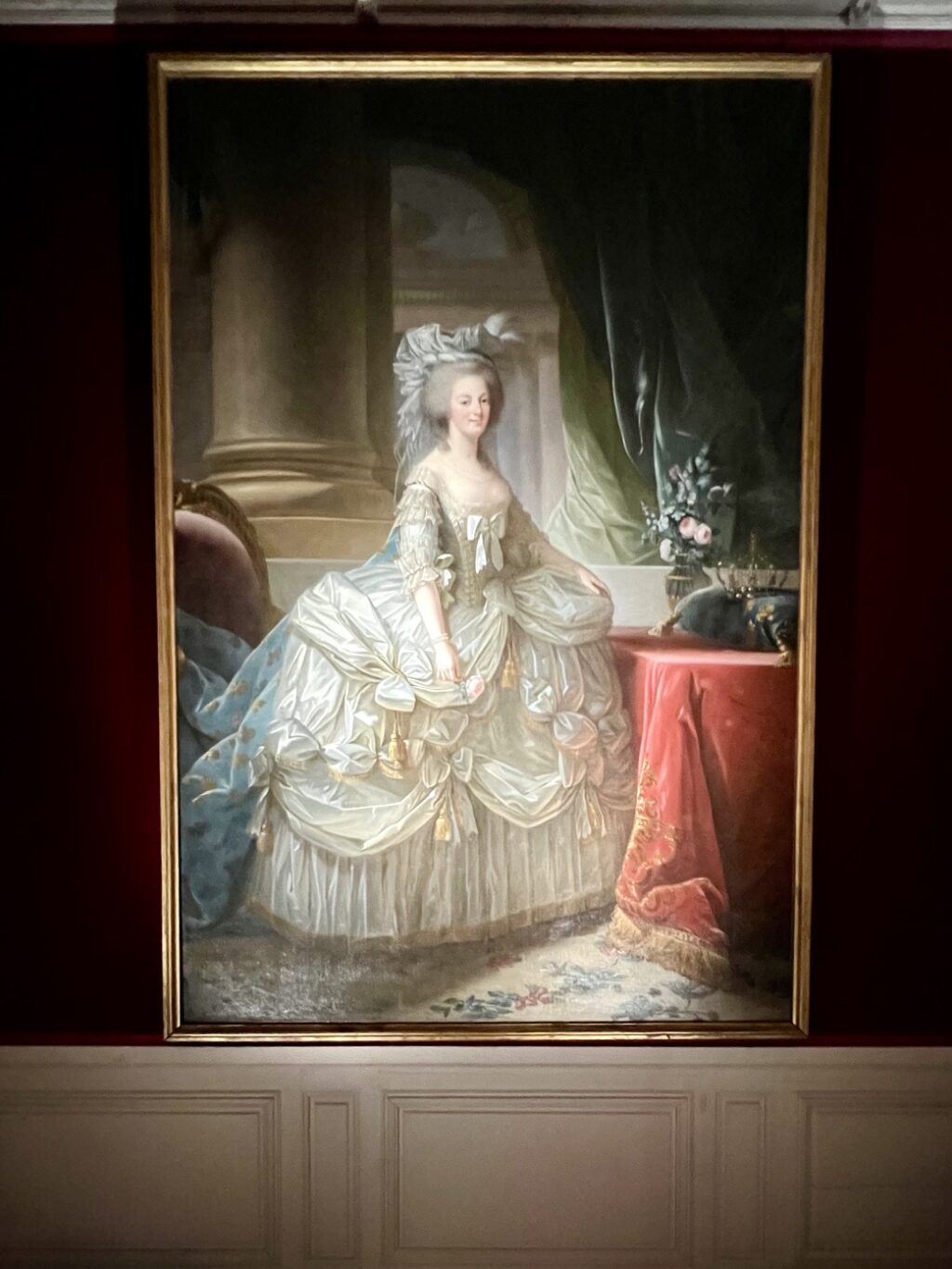
By the time the crowd reached Versailles, tensions were high. Louis XVI was away hunting at Meudon, while Marie-Antoinette was at the Château de Trianon. She returned to the palace as the situation deteriorated.
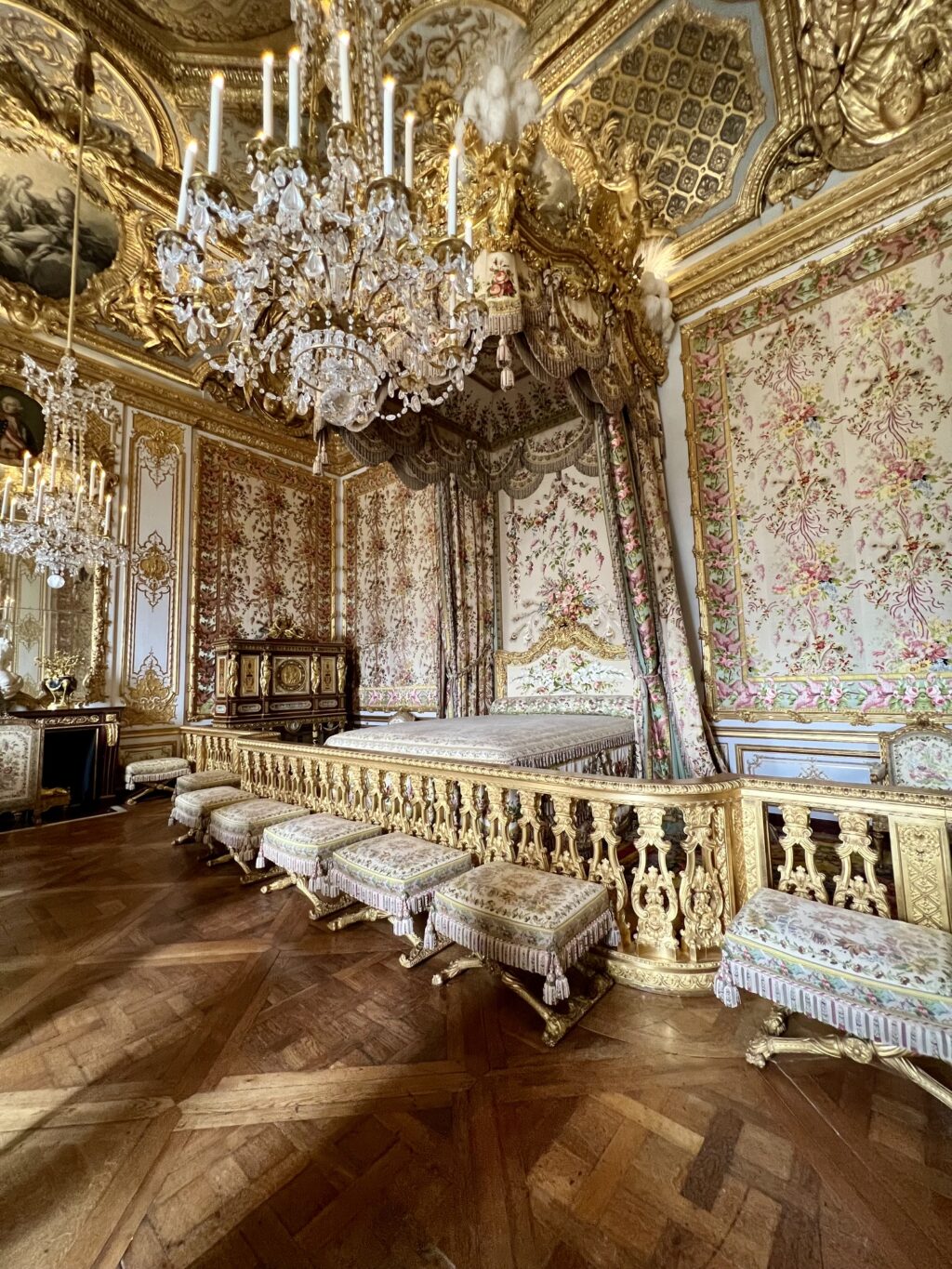
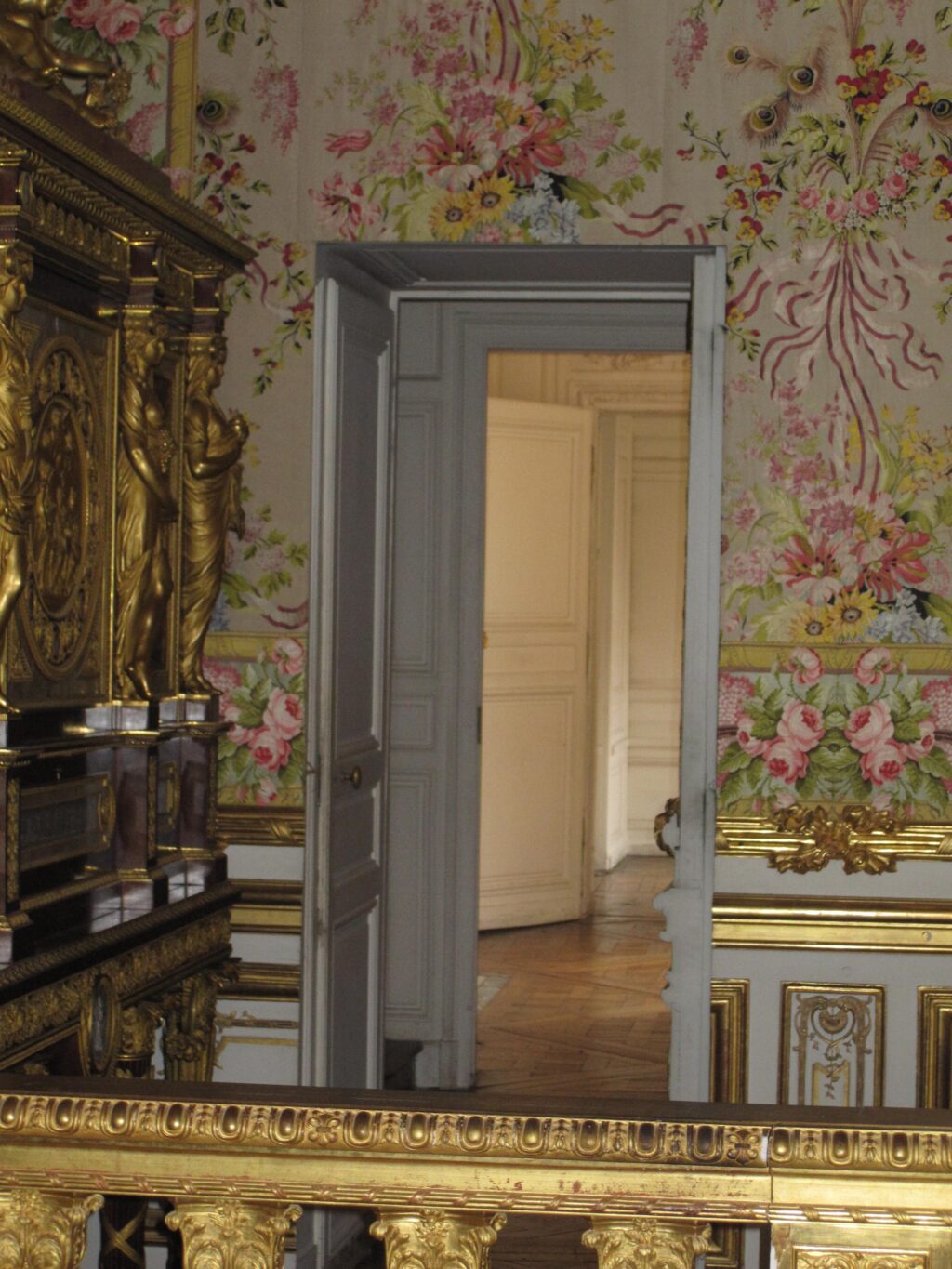
The king eventually met with a delegation of women and agreed to provide bread. But the crowd remained at Versailles through the night. In the early morning hours of October 6, demonstrators breached the palace.Marie-Antoinette was awakened and warned that the crowd had entered the Queen’s Apartments. She fled through her private rooms toward the King’s Apartments, where she was reunited with Louis XVI and their children.It is difficult to reconcile that scene with the Versailles we know today. The Queen’s bedchamber, now carefully preserved and visited by thousands of tourists, had suddenly become a place of fear. Guards were attacked, and the royal family was no longer safe.
By that morning, it was clear that the royal family could not remain at Versailles.
“Le Boulanger, La Boulangère et Le Petit Mitron”
Louis XVI, Marie-Antoinette, and their children left the palace that afternoon and traveled toward Paris surrounded by the crowd. The people famously referred to them as “le boulanger, la boulangère et le petit mitron”—the baker, his wife, and his young apprentice—a reference to the king as the provider of bread, his queen, and their young heir.
It was a remarkable reversal. For generations, Versailles had represented the extraordinary power and authority of the French monarchy. Now the king was leaving it under the watch of the people. Apparently, Louis XVI believed his departure might be temporary. He left instructions concerning the palace and expressed concern for what would become of his beloved Versailles. The royal family never again lived at Versailles. They traveled to Paris, where they remained under increasingly restrictive circumstances as the Revolution continued.
Louis XVI was executed in 1793, followed by Marie-Antoinette later that same year.
Qu’ils Mangent de la Brioche
No discussion of the French Revolution would be complete without those five infamous words: “Let them eat cake.” Except that Marie-Antoinette almost certainly never said them.
The story appears in Jean-Jacques Rousseau’s Confessions, which he wrote in the 1760s. Rousseau described an unnamed “great princess” who, upon hearing that peasants had no bread, supposedly responded that they should eat brioche, a pastry-like treat.
Marie-Antoinette was still a child at the time of Rousseau’s writing. She had not yet arrived in France, was not yet married to Louis XVI, and certainly was not the queen of France. The phrase was eventually attached to her, becoming part of the popular image of Marie-Antoinette as an extravagant and uncaring queen.
This characterization is one of the primary reasons I am sympathetic to Marie-Antoinette.
Versailles Today
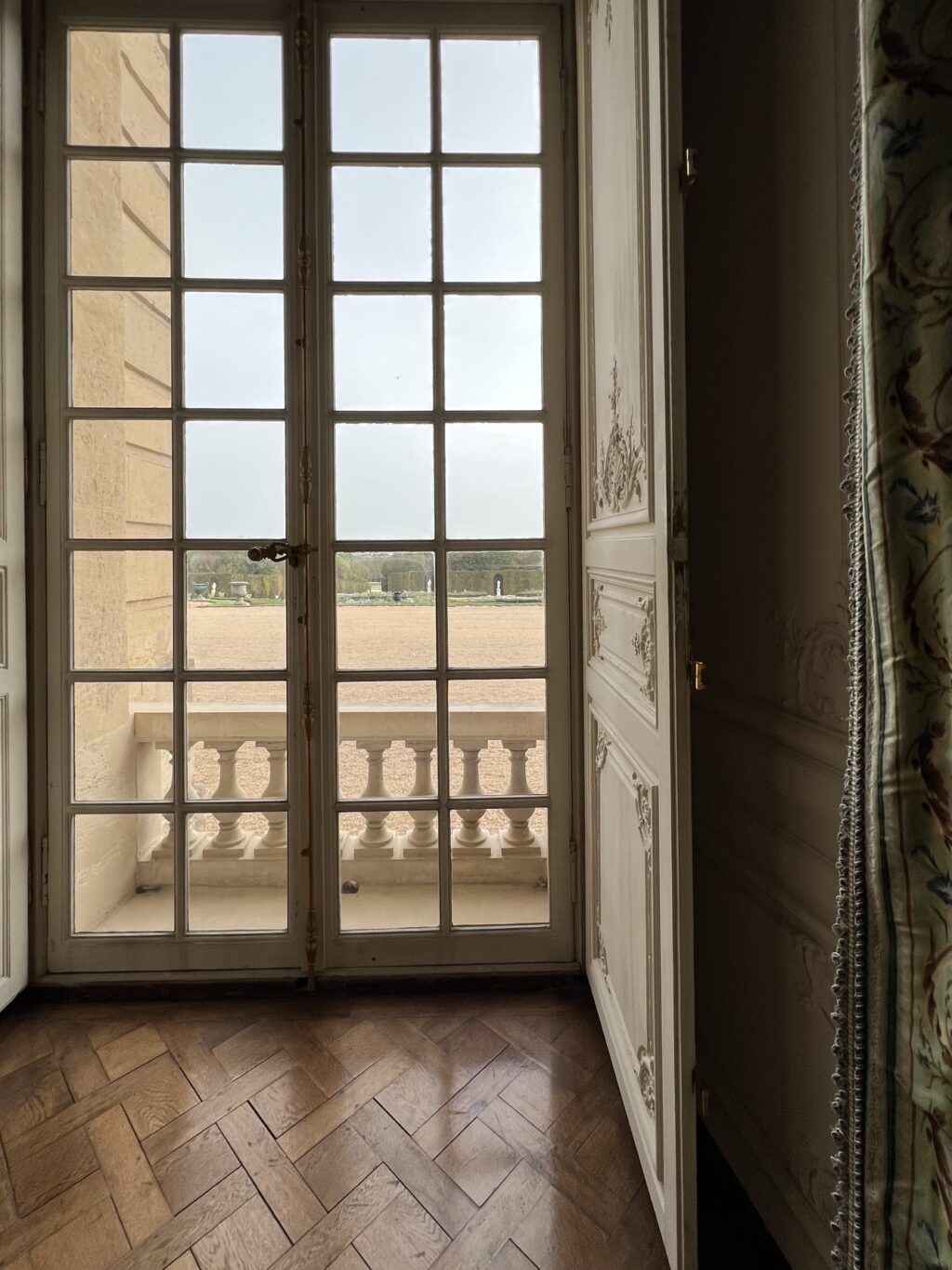
For me, its history history is one of the things that makes Versailles so fascinating. It is easy to be swept up in the beauty of the palace—the gilded rooms, painted ceilings, crystal chandeliers, and gardens stretching toward the horizon. But when you have historical context to what happened here, it is impossible to see Versailles simply as a beautiful château. Every room carries another layer of history.
Today, we can walk through the Queen’s Apartments and stand in the very rooms from which Marie-Antoinette fled that morning. We can walk through the Hall of Mirrors where the monarchy once staged its most magnificent ceremonies.
Versailles Survived the Revolution
Thankfully, the palace itself was not ransacked or destroyed on October 6 or in the days or months that followed. Its furnishings, however, were later dispersed through revolutionary auctions. Many pieces were lost, sold, or scattered, while others were eventually recovered and returned to Versailles.
The palace we visit today is therefore not simply a reconstruction. Much of what we see connects us directly to the world that existed before the Revolution—and to the royal family who left these rooms on October 6, 1789.
Bread and French Culture
Given the importance of bread in French culture, it’s not surprising that its cost was at the heart of the events of October 1789. Bread has long been a staple of the French table and an essential part of everyday life. The boulangerie is woven into the fabric of French neighborhoods, and buying a fresh baguette is part of daily rituals.
So when bread became increasingly expensive and difficult to afford in 1789, it was about far more than the price of a loaf. For ordinary Parisians, bread was a necessity. Its rising cost was a very tangible reminder of the economic hardship they were experiencing—and of the growing disparity between the monarchy and the people.
More than two centuries later, bread remains an essential part of French daily life, making it easier to understand why its affordability mattered so much in 1789.

Join the email list and get instant access to My Essential Packing Guide!
It's a curated list of the tried-and-true items I always pack for stress-free, stylish trips, and it’s ready to help you pack for your next adventure!
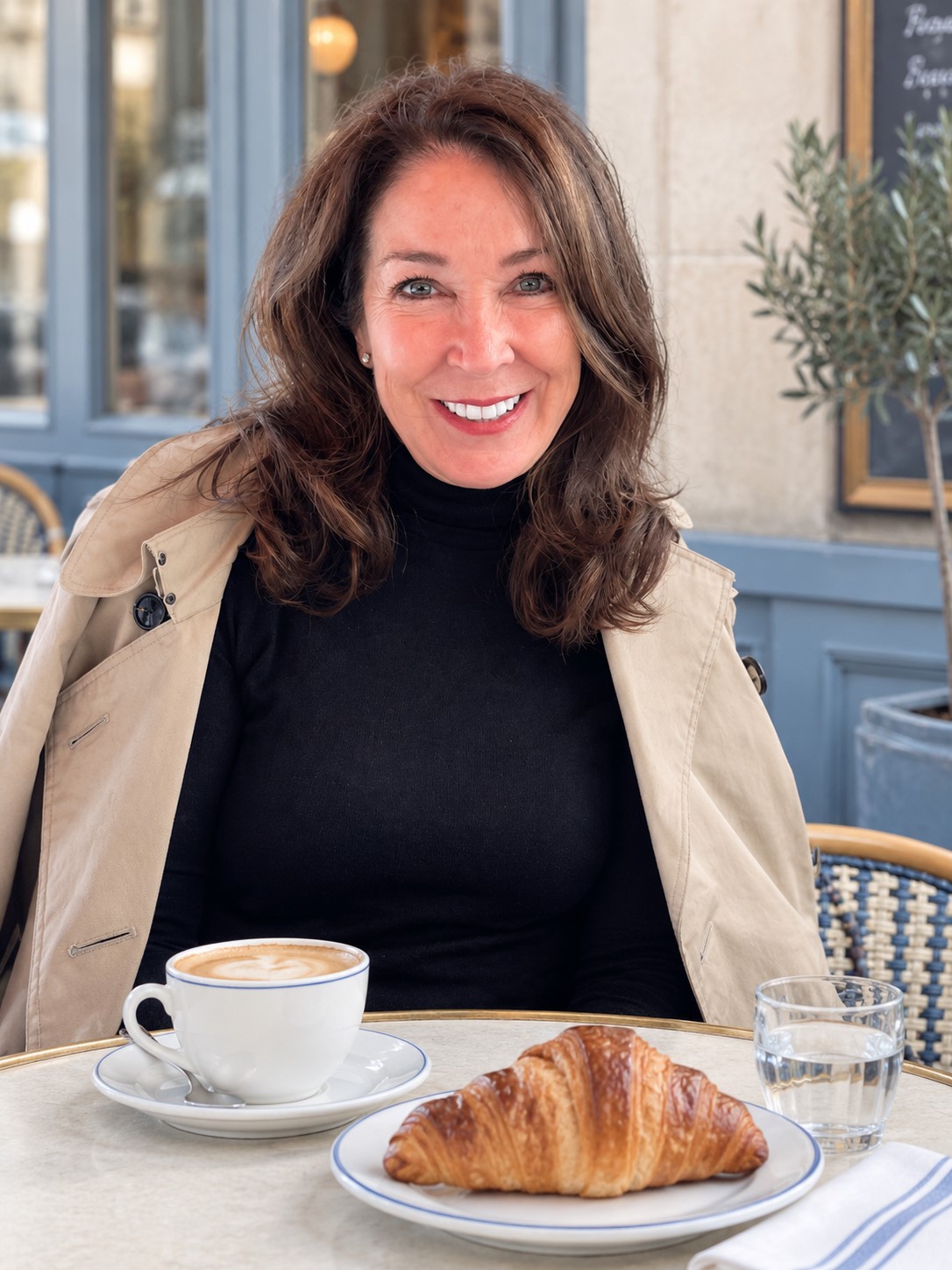

I began my blog in 2008 as a fun and creative outlet to share musings about my time in Paris, the things I love, making the most of your travels, and how to bring everyday France into your everyday life—no matter where you live.
Join The Email List
Sign up to receive blog posts delivered straight to your inbox