Major Restaurant Groups Shaping the Paris Dining Scene
In cities like New York, London, Milan, and my hometown of Chicago, the restaurant scene often feels intimate—small tables, familiar faces, and the sense that each place is a discovery. But look a little closer, and a pattern emerges. Just as in fashion or hospitality, many successful restaurants in major cities are part of larger portfolios—run by restaurateurs who know how to expand a concept, create economies of scale, and maintain brand identities.
Paris is no exception. Behind the bistro doors and candlelit dining rooms are investment groups that manage multiple establishments, refining concepts, locations, and experiences across neighborhoods. Sometimes the connection is obvious; other times it’s almost invisible. Understanding this dynamic by no means diminishes the romance of Paris dining—it deepens it, offering insight into how the city continually reinvents itself while honoring what it does best.
In today’s post, I’m sharing insights into several restaurant groups and how they shape the dining experiences of Parisians and tourists alike. We’ll look at Beaumarly (formerly Costes) for its classic Paris hospitality, Big Mamma and Paris Society for their high-energy lifestyle dining, Moma Group and La Nouvelle Garde for heritage revival concepts, Daroco Group and Experimental Group for design-driven contemporary dining, and finally Septime Group for its modern culinary influence.
While I haven’t been to every restaurant noted below, I’ve visited enough to recognize the trends and become familiar with the overarching themes. Together, they illustrate how Paris restaurants operate today — from historic cafés to glamorous destinations to chef-driven kitchens.
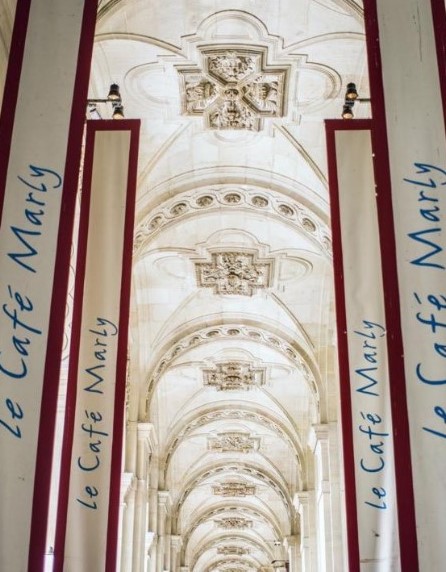
Beaumarly (formerly Costes) │ The original Paris “scene”
When I lived in Paris, the Costes brothers—Gilbert and Thierry—were everywhere, and being seen at one of their cafés felt like a small social accomplishment. Much of that legacy now lives on through Beaumarly, the hospitality group led by Gilbert Costes Jr., which continues the family’s tradition of stylish, impeccably located Paris restaurants.
Think iconic addresses rather than culinary experiments. The food is reliable, the rooms are beautiful, and the people-watching is unmatched.
Notable addresses include:
- Cassaros – A lesser-known but stylistically aligned address within the extended Costes/Beaumarly orbit.
- Café Beaubourg – A vibrant brasserie facing the Centre Pompidou, long known for its terrace and Marais energy.
- Café Français – Anchoring Place de la Bastille with a grand terrace and a distinctly Parisian buzz.
- Café Marly – Set beneath the arcades of the Louvre Palace, with a terrace overlooking the Louvre Pyramid.
- Café Ruc – A refined yet lively spot near the Louvre, popular with fashion and media insiders.
- La Maison du Caviar – A historic address reimagined with Beaumarly’s signature elegance.
- Matignon – A sleek restaurant and nightlife destination just off the Champs-Élysées.
- Thoumieux – A classic Left Bank brasserie with a polished, contemporary revival.
Even decades later, Beaumarly restaurants still define a certain Parisian lifestyle—effortless, polished, and slightly untouchable.

Big Mamma Group│Italian exuberance, Parisian style
Many years ago an American friend visiting from London asked if we could go out for Italian. At the time, I was at a total loss—Paris, for all its culinary riches, didn’t have many Italian restaurants that felt truly destination-worthy. That is not the case today—Big Mamma has answered the call.
If Costes represents Paris chic, Big Mamma represents the city’s modern, high-energy dining culture. Founded in Paris in 2015 and expanded across Europe, this group specializes in Italian cuisine served at full volume—big rooms, bold décor, generous portions, and an atmosphere that feels celebratory every night of the week.
Typical Paris restaurants include:
- Gloria – A glamorous Italian restaurant combining Big Mamma’s signature playful décor, a lively dining room, and standout pasta and pizza dishes.
- La Felicità – A massive Italian food hall in Station F with multiple kitchens, bars, and spaces designed for sharing and socializing.
- Libertino – A Sicilian-inspired restaurant with playful décor, excellent pizza and pasta, and a vibrant terrace.
- Mamma Primi – A Batignolles trattoria focused on house-made pastas, rustic Italian dishes, and a welcoming neighborhood atmosphere.
- Ober Mamma – A bright, plant-filled trattoria in Oberkampf serving hearty pasta and pizza in a colorful, lively setting.
- Pink Mamma – A wildly popular trattoria with dramatic interiors, theatrical staircases, and a menu of indulgent Italian classics.
- Popolare – A Roman-style trattoria known for generous portions, buzzing atmosphere, and long communal tables.
These are places you go with friends, an appetite, and the expectation that dinner will turn into an event.
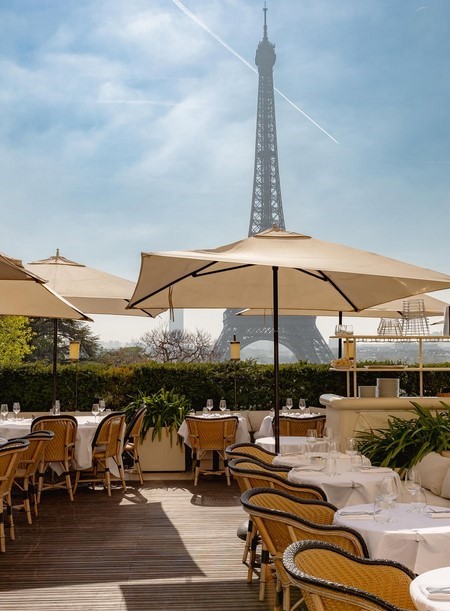
Paris Society │ Dining as Experience
Founded by Laurent de Gourcuff, Paris Society sits at the intersection of restaurant, nightlife, and spectacle. These are destinations as much as dining rooms—places chosen for anniversaries, late nights, and Instagram moments.
The group is known for dramatic settings, prime real estate, and restaurants that feel theatrical without being stiff.
Standout Paris Society venues include:
- Apicius – A revived grande dame of Parisian gastronomy set in a magnificent hôtel particulier near the Champs‑Élysées.
- Bonnie – A stylish rooftop restaurant at the SO/Paris Hotel, offering panoramic views over the Seine and the Paris skyline.
- CoCo – A glamorous restaurant set within the historic Palais Garnier, blending Belle Époque grandeur with lively Parisian dining.
- Giraffe – An elegant seafood restaurant in the Palais de Chaillot, celebrated for its terrace and unforgettable Eiffel Tower views.
- La Suite – Refined marine cuisine and Art Deco design with panoramic views near the Eiffel Tower.
- Laurent – Historic Champs‑Élysées dining destination refreshed under Paris Society.
- Maison Revka – A whimsical, immersive dining experience in the 16th arrondissement.
- Mūn – Asian‑inspired restaurant with a striking interior and view.
- Mondaine de Pariso (optional) – A vibrant, performance‑infused dining concept.
FYI – Paris Society is also behind the fairly recent transformation of the Abbaye des Vaux‑de‑Cernay just outside the city, not far from Versailles. Longtime eaders will recognize this establishment because when is was still privately owned, I attended a wedding at the Abbaye des Vaux-des-Cernay and wrote about it.
Paris Society restaurants (and hospitality) are about mood as much as menus—and often both linger long after the meal ends.
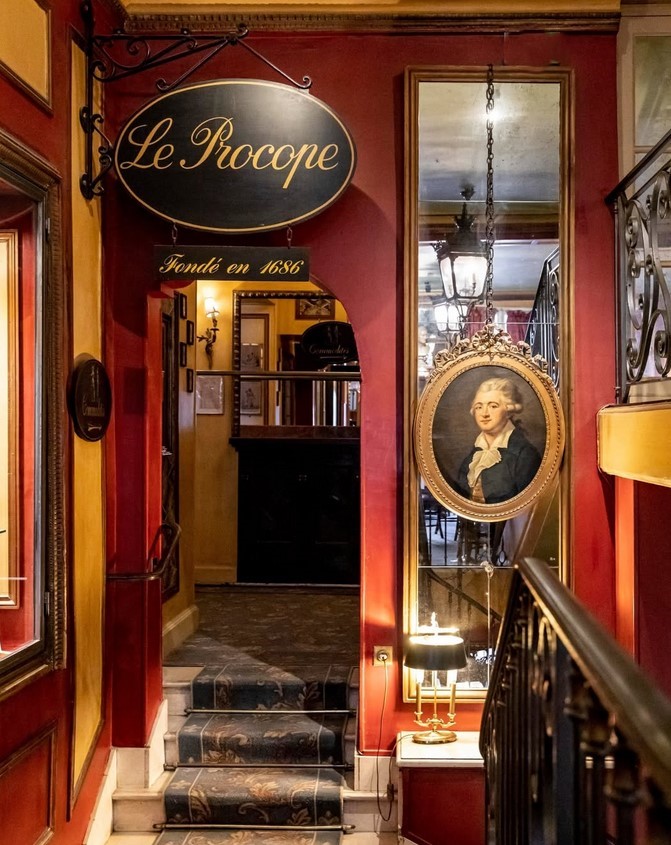
Groupe Bertrand │ From historic cafés to modern chains
One of France’s largest hospitality groups, Groupe Bertrand operates at a very different scale. Its portfolio ranges from historic Paris institutions to nationwide restaurant brands and casual brasserie concepts.
This is a group that understands both heritage and volume—and manages to keep a foot in each world.
Notable brands include:
- Angelina (salon de thé) — While not strictly a restaurant, it’s one of the group’s most famous dining destinations in Paris, beloved for its famously rich hot chocolate and elegant pastries.
- Au Pied de Cochon — Classic Parisian brasserie open 24/7, known for traditional dishes like onion soup and pig’s feet.
- Bofinger — Historic brasserie on Place de la Bastille with strong Alsatian influences.
- Brasserie Lipp — Iconic Saint-Germain-des-Prés brasserie long associated with writers, politicians, and Parisian intellectual life.
- Flora Danica — Stylish Nordic café-restaurant concept bringing a Scandinavian touch to the Champs-Élysées.
- La Coupole — Legendary Montparnasse brasserie famous for its Art Deco dining room and historic clientele.
- La Lorraine — A classic seafood-focused brasserie with Frères Blanc heritage, now part of the Bertrand portfolio.
- Le Procope — Widely considered the oldest café in Paris, steeped in Enlightenment-era history and once frequented by figures like Voltaire and Rousseau.
- L’Alsace — Traditional brasserie, also part of the former Frères Blanc group, now integrated into Bertrand.
- Polpo — A more contemporary, design-forward riverside dining concept within the group’s broader hospitality portfolio.
You may not always notice the connection, but once you do, it’s a reminder of how much organization it takes to keep Paris fed.
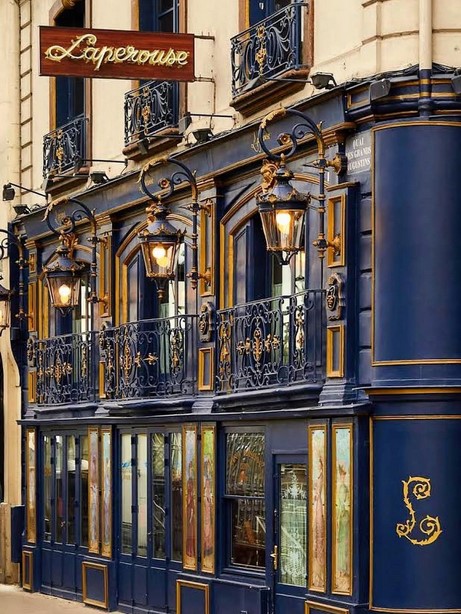
Moma Group │ Historic names, modern stewardship
A quieter but increasingly influential presence, Moma Group—led by Benjamin Patou—has taken on some of Paris’s most storied restaurant names and reintroduced them to a contemporary audience. Rather than multiplying locations, this group focuses on heritage addresses with cultural weight.
The goal isn’t trendiness, but relevance.
Key restaurants include:
- Lafayette – A stylish restaurant by Mory Sacko known for its modern, seasonal cuisine and its chic setting within Lafayette Anticipations in the Marais.
- Lapérouse – The legendary Left Bank dining institution on the banks of the Seine, famed for its ornate salons and storied history near Pont Neuf.
This group exemplifies a newer Parisian approach: preservation paired with subtle reinvention.

La Nouvelle Garde │ The revival of the Paris brasserie
One of the most interesting recent developments in the Paris dining scene comes from La Nouvelle Garde, a group dedicated to reviving the spirit of the classic French brasserie for a new generation.
Rather than reinventing the concept, their restaurants embrace it wholeheartedly: bustling dining rooms, traditional French dishes, and interiors that feel lifted from another era—checkerboard floors, brass fixtures, and long zinc bars.
Their growing collection of addresses includes:
- Brasserie Bellanger – A neighborhood favorite for its relaxed Belle Époque atmosphere, excellent steak-frites, and polished yet approachable take on the traditional Paris brasserie.
- Brasserie Dubillot – A lively Montorgueil brasserie with Art Deco flair, generous French classics, and a dining room that rarely feels quiet.
- Brasserie Martin – Set on the Canal Saint-Martin, this bright and spacious brasserie brings the group’s signature retro aesthetic to one of the city’s most dynamic neighborhoods.
- Brasserie Des Prés – An elegant brasserie blends Left Bank sophistication with the group’s trademark warmth and a menu rooted in classic French cuisine.
- Brasserie Charlie – A glamorous interior setting and a menu that celebrates timeless brasserie dishes.
These restaurants offer classic dishes, lively rooms, and prices that remain relatively approachable for Paris – just what one would want in a Brasserie.
Daroco Group │ Italian glamour in grand spaces
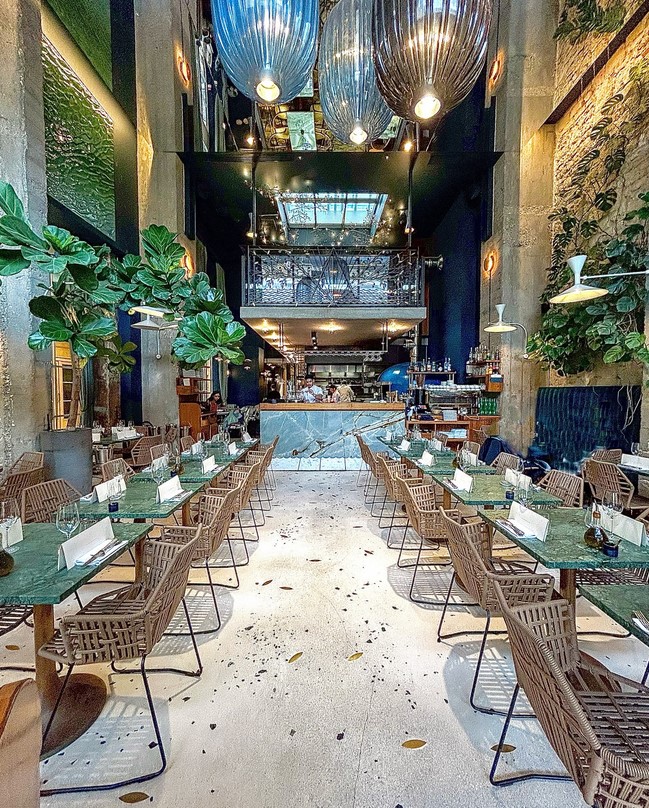
Following in the footsteps of groups like Big Mamma, which has brought lively, design-forward Italian dining to Paris, Daroco has helped further infuse Italian cuisine into the city’s culinary landscape. Founded by restaurateurs Alexandre Giesbert, Julien Ross, and Romain Glize, the team behind Daroco helped redefine the modern Italian restaurant in Paris. Their concept pairs high-quality Italian cuisine with dramatic architectural spaces—often historic buildings reimagined with bold contemporary design.
Signature addresses include:
- Daroco – Set inside the historic Galerie Vivienne’s former Jean-Paul Gaultier boutique, this restaurant is known for its soaring ceilings, sleek décor, and refined Italian menu.
- Daroco 16– A larger and more theatrical follow-up featuring a vast dining room, lively atmosphere, and an Italian menu built around pizza, pasta, and seasonal ingredients.
These restaurants capture the Parisian appetite for Italian food delivered with style and spectacle.
Experimental Group │ Where cocktail culture meets hospitality
What began as a pioneering cocktail bar has grown into an international hospitality company. Experimental Group blends sophisticated drinks, thoughtful design, and relaxed dining across its restaurants, bars, and boutique hotels.
Notable Paris venues include:
- Les Bains Restaurant – A stylish dining room inside the historic Les Bains hotel, where contemporary cuisine meets the building’s legendary nightlife history.
- Frenchie Bar à Vins – A lively wine bar serving seasonal small plates and natural wines, beloved by locals and visitors alike.
Experimental Group has managed to successfully blend restaurants, cocktail culture, and hospitality.
Septime Group │ The modern Paris bistro movement
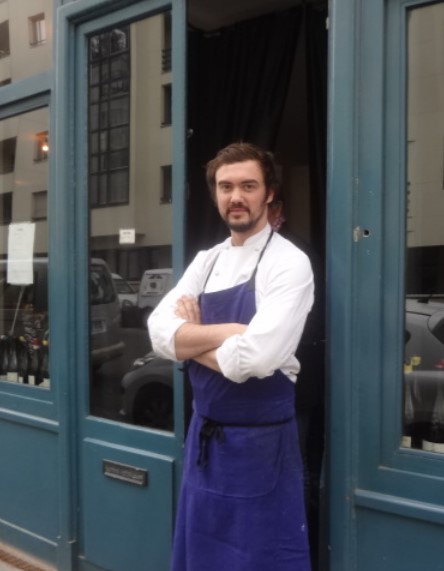
Few chefs have shaped contemporary Paris dining more than Bertrand Grébaut. His restaurants helped define the city’s ingredient-driven, natural-wine-friendly bistro culture that has inspired chefs across Europe.
Key addresses include:
- Septime – The Michelin-starred flagship in the 11th arrondissement, known for elegant tasting menus that highlight seasonal ingredients.
- Clamato – A casual seafood restaurant next door that has become one of the city’s most coveted lunch spots.
- D’Une Île – A small bakery and café offering breads and pastries crafted with the same ingredient-driven philosophy.
This group represents the quieter, more culinary side of Paris’s restaurant evolution—less about spectacle and more about craftsmanship.
The Takeaway
While Paris dining may look endlessly romantic, many of the city’s most recognizable and widely promoted restaurants—especially those backed by ambitious hospitality groups—are highly visible on Instagram and other social media. Visitors often encounter them first online, while smaller, family-owned bistros may fly completely under the radar, relying instead on word-of-mouth and local reputation. Understanding the groups behind the names adds another layer to eating out in Paris, helping explain why certain places feel familiar, polished, or unmistakably of the moment—even if some décor choices, like the ubiquitous fake flowers, never quite charm me.
And, of course, it doesn’t make the food any less delicious.

Join the email list and get instant access to My Essential Packing Guide!
It's a curated list of the tried-and-true items I always pack for stress-free, stylish trips, and it’s ready to help you pack for your next adventure!
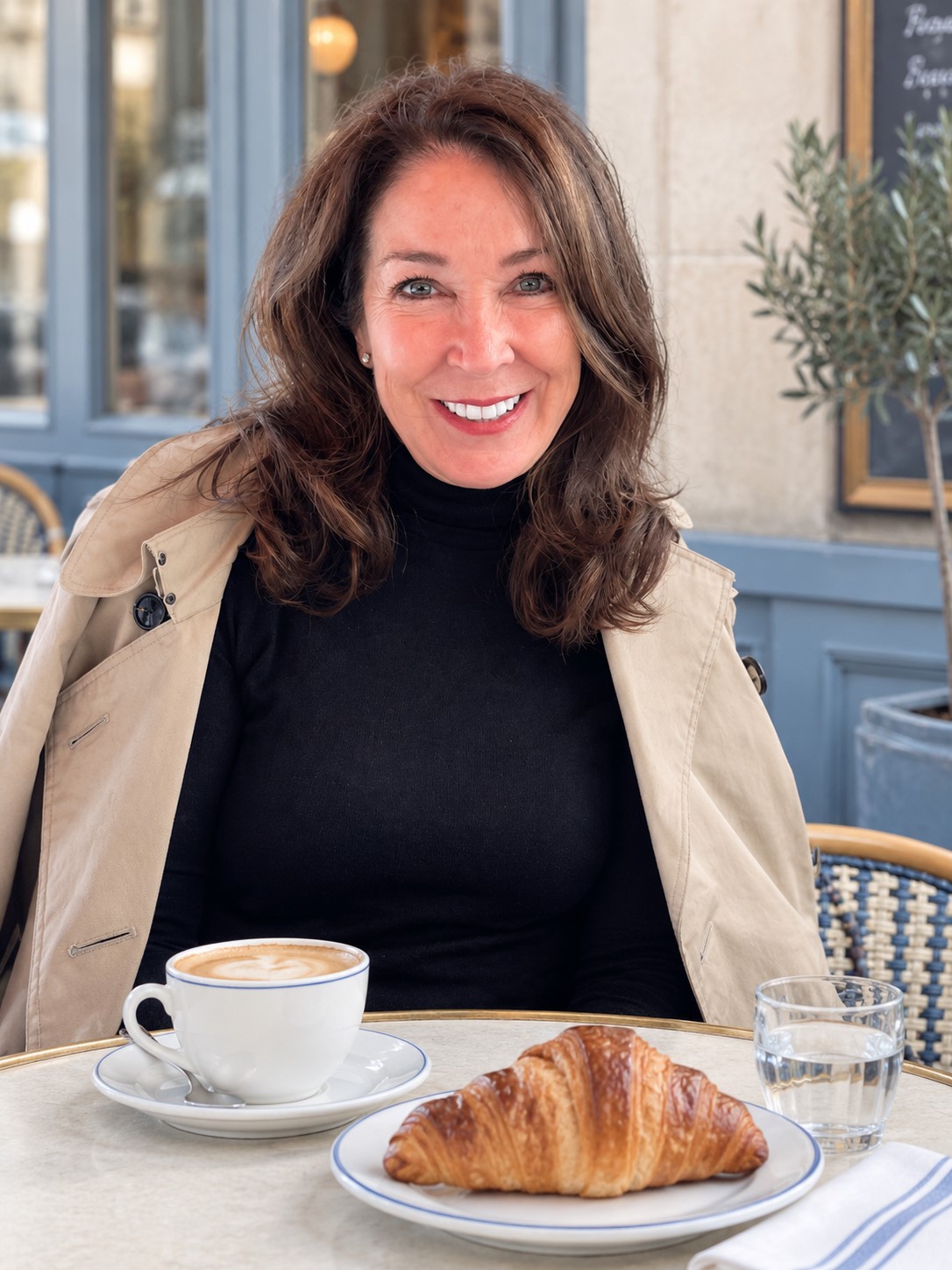

I began my blog in 2008 as a fun and creative outlet to share musings about my time in Paris, the things I love, making the most of your travels, and how to bring everyday France into your everyday life—no matter where you live.
Join The Email List
Sign up to receive blog posts delivered straight to your inbox