French Wine Bottles: What the Shape and Color Can Tell You
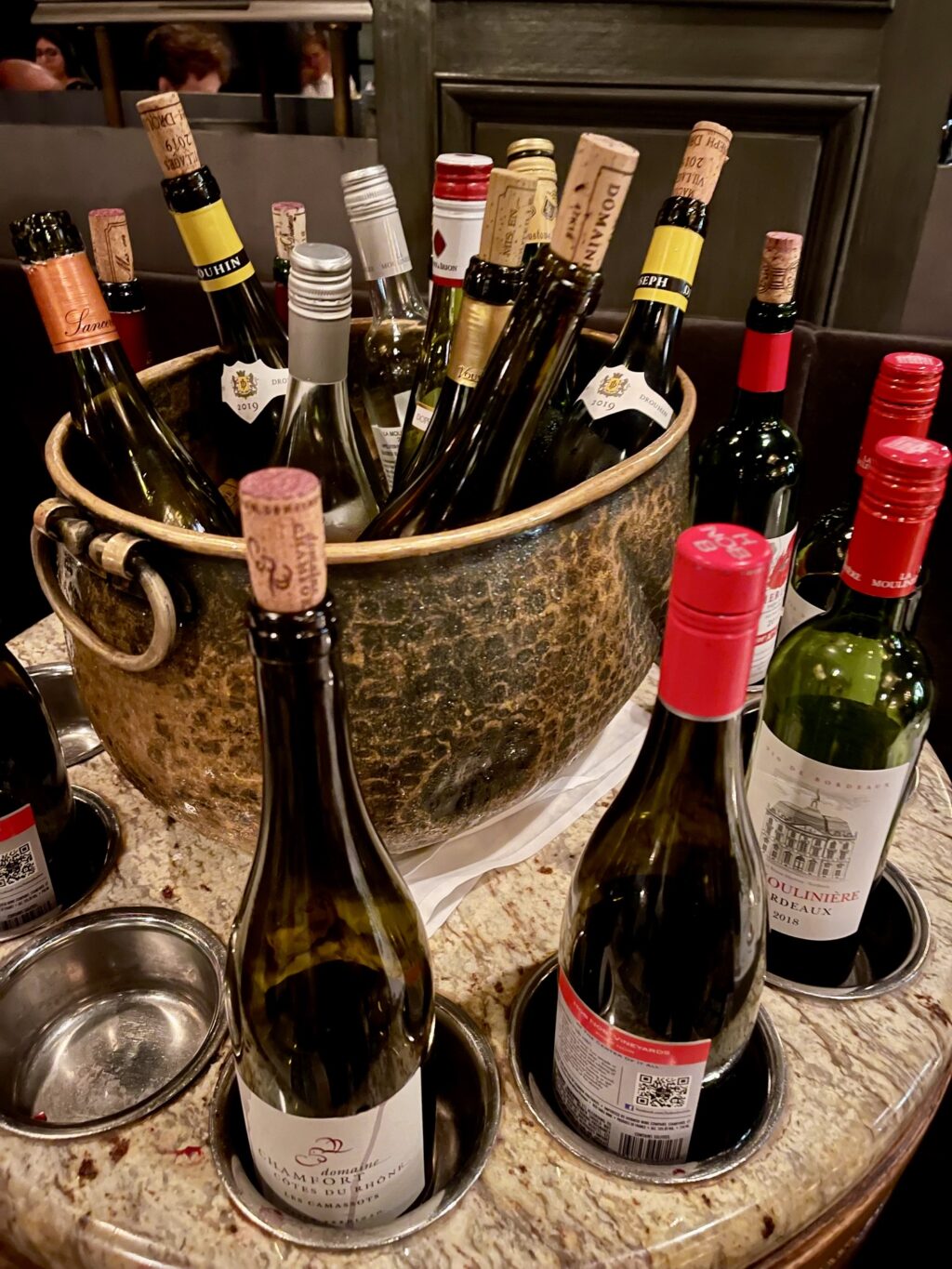
France is a country of traditions and customs—and the French have a way of carrying those traditions into even the smallest details. Wine bottles are no exception.
If you’ve ever wandered through a French wine shop or stood in front of a wall of French wine and wondered what you were looking at, the bottle itself can offer a few clues. Its shape—and sometimes its color—can tell you something about where the wine comes from and what you might find inside.
But why do French wine bottles look so different from one region to another?
The answer has as much to do with history and practicality as it does with tradition. Before bottles were mass-produced, glass was made locally, and different regions developed their own bottle-making traditions. The shapes were also influenced by practical considerations—how bottles were stored, transported and served. Over time, these local styles became closely associated with the wines of the region, and tradition helped preserve them.
Today, Bordeaux, Burgundy, the Rhône, Alsace and Champagne each have their own distinctive bottle silhouette. The shapes have become so familiar that, with a little practice, you can sometimes recognize the region before you even read the label.
It isn’t a perfect system, and there are always exceptions. But once you know a few of the basics, you may be surprised by how much you can tell about a French wine simply by looking at the bottle.
The Bordeaux Bottle
The most recognizable French wine bottle is probably the Bordeaux bottle.
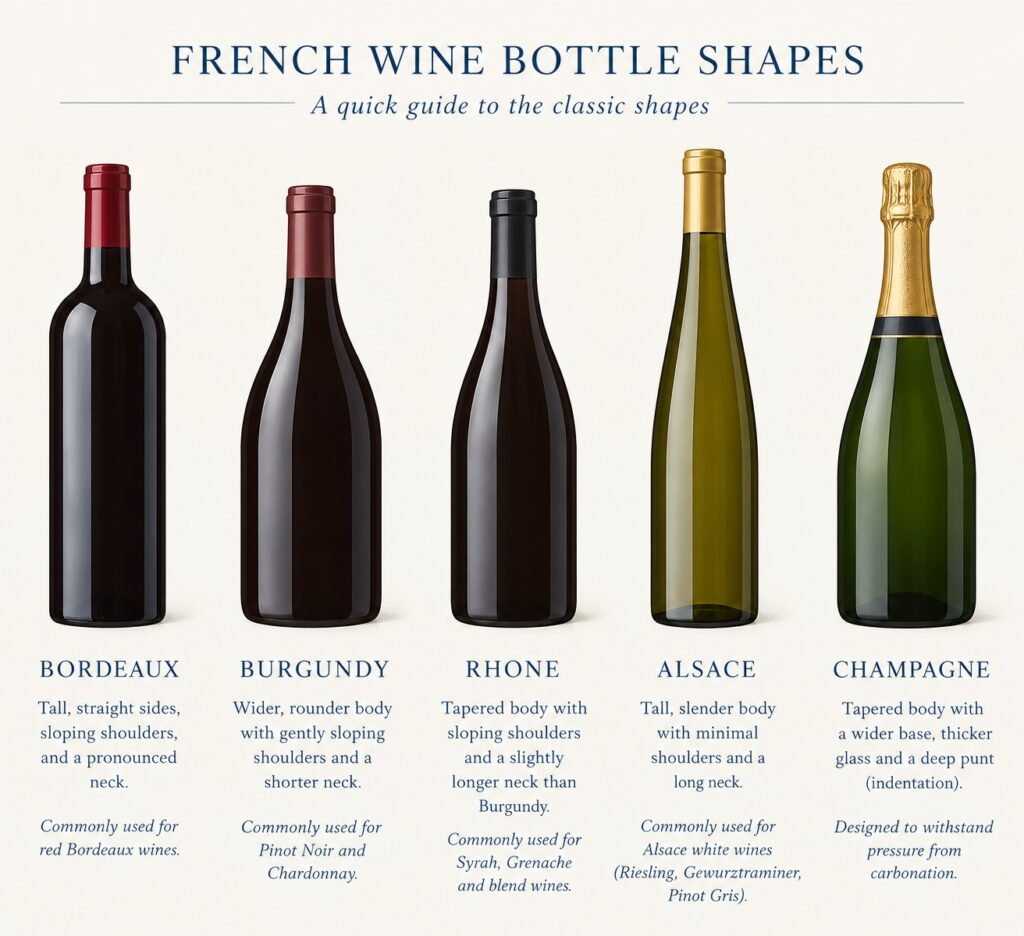
It is tall and straight-sided, with a relatively high shoulder and a pronounced indentation at the bottom. You’ll find it used throughout Bordeaux for both red and white wines, although the color of the glass often differs. Red Bordeaux is traditionally bottled in dark green glass, while dry white Bordeaux is often found in clear or pale green bottles.
The straight-sided shape has also become popular well beyond Bordeaux, so don’t assume that every bottle with this shape comes from the region.
Think: Bordeaux = straight sides and high shoulders.
The Burgundy Bottle
The Burgundy bottle is quite different. It has gently sloping shoulders and a longer, more rounded body, giving it a softer, almost elegant silhouette. It is traditionally used for wines from Burgundy, including Pinot Noir and Chardonnay.
You’ll also see this shape used for wines from other parts of France and around the world, particularly for Pinot Noir and Chardonnay. Still, when you see that graceful, sloping-shoulder bottle on a French shelf, Burgundy is a good place to start.
Think: Burgundy = sloping shoulders and a rounded shape.
The Rhône Bottle
Rhône wines have their own distinctive bottle tradition.
Many Rhône wines are bottled in a bottle similar to the Burgundy shape, but the bottles used for the region’s most famous appellations can have distinctive embossed markings. Châteauneuf-du-Pape, for example, is particularly recognizable because its bottles traditionally carry an embossed papal insignia or the crossed keys associated with the appellation. The bottle can therefore be an additional clue—but the label is still what you should rely on.
Think: Rhône = Burgundy-like shape, with some distinctive regional bottles.
The Alsace Bottle
The Alsace bottle is one of the easiest to recognize.
It is tall, narrow and elegant, with very little shoulder. Often called a flûte d’Alsace, it is traditionally used for wines such as Riesling, Gewürztraminer, Pinot Gris and Muscat. The glass is often green, although the exact shade can vary. If you see a very tall, slender green bottle, there’s a good chance you’re looking at an Alsace wine.
Think: Alsace = tall, slender and green.
The Champagne Bottle
A Champagne bottle is probably the easiest of all to identify.
It is made of heavy, thick glass with a deep indentation, or punt, in the bottom. And this isn’t simply a decorative detail. Champagne develops significant pressure during its production, so the bottle needs to be exceptionally strong. The curved bottom helps distribute that pressure and makes the bottle better able to withstand the pressure inside. The weight and shape of the bottle are, quite literally, part of what keeps the bubbles safely inside.
Think: Champagne = heavy glass and a deep punt.
What About the Color of the Glass?
Bottle color can also provide a clue, although again, it isn’t a guarantee.
Dark green glass is common for red wines because it helps protect the wine from light.
Brown or amber glass is particularly associated with some white wines, including certain wines from Alsace.
Clear or pale green glass is often used for white and rosé wines because the color of the wine is part of the visual appeal.
But don’t take bottle color too literally. Modern producers have more freedom, and packaging choices can be influenced by aesthetics, tradition, and marketing.
A Quick Guide
Here’s the easiest way to remember the major shapes:
Don’t Judge the Wine by the Bottle
As with French wine classification, bottle shape is a clue, not a classification.
A Burgundy-shaped bottle doesn’t necessarily mean the wine comes from Burgundy, just as a tall green bottle doesn’t automatically mean Alsace. Producers outside these regions frequently use traditional bottle shapes because they have become associated with particular varieties or styles of wine.
The label is still the final authority.
But I think that’s part of the fun of French wine. Once you begin to recognize the shapes, colors, and terminology, a bottle starts to tell you a little story before you’ve even pulled the cork.
And the next time you’re standing in front of a French wine shelf, you might find yourself looking at the bottles a little differently.
Bonne dégustation!

Join the email list and get instant access to My Essential Packing Guide!
It's a curated list of the tried-and-true items I always pack for stress-free, stylish trips, and it’s ready to help you pack for your next adventure!
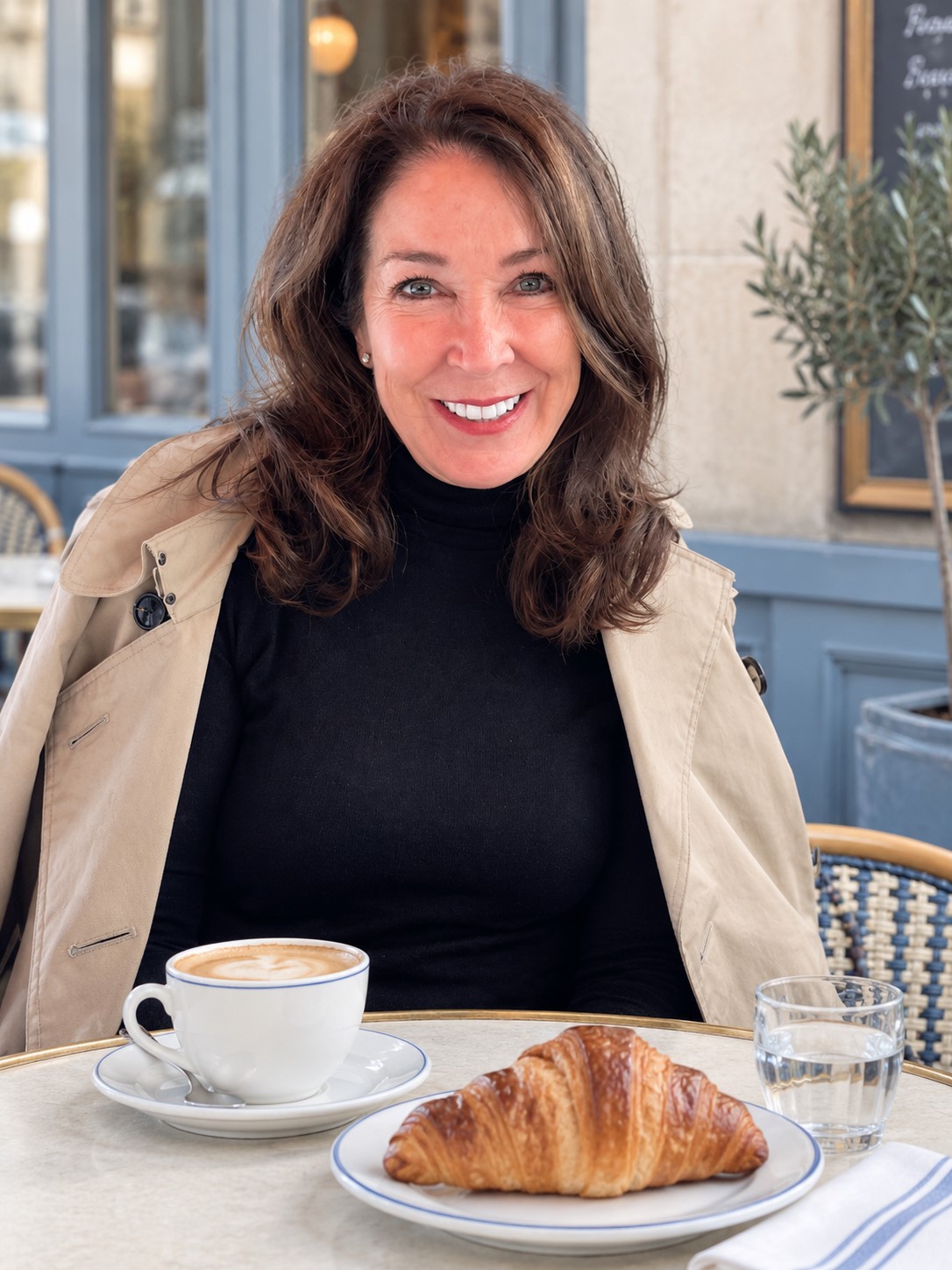
I began my blog in 2008 as a fun and creative outlet to share musings about my time in Paris, the things I love, making the most of your travels, and how to bring everyday France into your everyday life—no matter where you live.
Join The Email List
Sign up to receive blog posts delivered straight to your inbox